
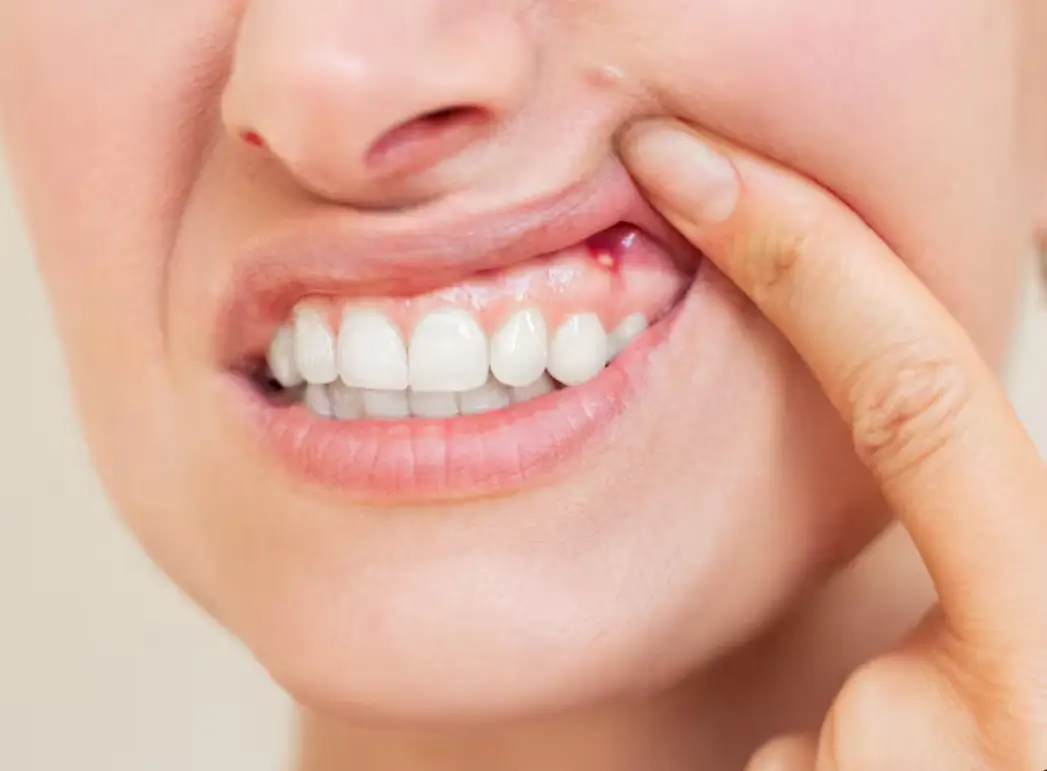
You’re brushing your teeth one morning and catch sight of it in the mirror: a small, pale patch on your gums that wasn’t there last week. White spots on gums are more common than most people realise, and in most cases they’re not an emergency. But because a handful of causes do need a dentist’s attention, it pays to know what you’re looking at.
In this guide, we’ll walk through the most common reasons white spots on gums appear, how to tell a harmless patch from one that needs a professional opinion, and the treatment and prevention steps that actually work. Whether you’re dealing with a single spot or a cluster, you’ll leave this article knowing exactly what to do next.
What Are White Spots on Gums?
White spots on gums are small pale or whitish patches that develop on the soft tissue covering the jawbone. They can appear as a single lesion or in clusters, and they range from flat and painless to raised, sore, or easily irritated by hot and spicy food. Most white spots on gums fall into one of a few categories: canker sores, oral thrush, leukoplakia, oral lichen planus, or simple irritation from a denture, retainer, or set of braces.
The key distinction dentists look for is whether a white patch can be gently wiped away. Patches linked to oral thrush usually rub off and leave reddened tissue underneath, while patches from leukoplakia or lichen planus stay firmly in place no matter how you brush or rinse.
Common Causes of White Spots on Gums
White spots on gums rarely have a single explanation. Here are the causes dental professionals see most often, starting with the most common.
Canker Sores
Canker sores, or aphthous ulcers, are small round or oval lesions with a white or yellowish centre and a red, inflamed border. They’re triggered by minor mouth injuries, acidic foods, stress, or vitamin deficiencies, and they usually clear up on their own within one to two weeks.
Oral Thrush (Candidiasis)
Oral thrush is a fungal infection caused by an overgrowth of Candida albicans, a yeast that normally lives in the mouth in small amounts. It shows up as creamy white spots on gums, the tongue, and the inner cheeks, and it’s more common in people with weakened immune systems, diabetes, or those who use inhaled steroids or antibiotics.
Leukoplakia
Leukoplakia causes thick, white patches that cannot be scraped off, and it’s most often linked to tobacco use, chronic irritation, or alcohol. Dentists take leukoplakia seriously because a small percentage of cases show precancerous changes, which is why any patch that doesn’t resolve within two weeks deserves a proper check.
Oral Lichen Planus
Oral lichen planus is a chronic inflammatory condition that produces lace-like white lines or spots on the gums and inner cheeks. Experts believe it’s related to an abnormal immune response, and while it isn’t contagious, it tends to flare up and settle down over months or years.
Denture, Retainer, or Braces Irritation
Ill-fitting dental appliances rub against the gum tissue and cause localised white patches at the point of contact. This type of white spot on gums typically fades once the appliance is adjusted or the irritation is removed.
Poor Oral Hygiene and Plaque Buildup
Plaque that isn’t brushed away can harden and irritate the gumline, sometimes appearing as a whitish film rather than a true lesion. Consistent brushing, flossing, and professional cleanings usually resolve this cause within days.
Symptoms That Often Accompany White Spots on Gums
White spots rarely show up entirely on their own. Watch for these accompanying signs, since they help narrow down the cause:
- Redness or swelling around the white patch
- A burning or stinging sensation, especially with spicy or acidic food
- Mild bleeding when brushing or flossing near the spot
- Bad breath that doesn’t improve with brushing
- A rough or lace-like texture you can feel with your tongue
- Spots that persist for more than two weeks without shrinking
White Spots on Gums: Comparison by Cause
Because appearance and symptoms overlap, a side-by-side comparison makes it easier to spot patterns before you see a dentist.
| Cause | Appearance | Pain Level | Contagious? | Needs a Dentist? |
| Canker sore | Small, round, red border with a white or yellow centre | Mild to moderate | No | Only if it lingers past 2 weeks |
| Oral thrush | Creamy, raised patches that can be wiped away, leaving redness | Burning, soreness | Not typically | Yes, for antifungal treatment |
| Leukoplakia | Thick, flat, white patches that cannot be scraped off | Usually painless | No | Yes, always — biopsy may be needed |
| Oral lichen planus | Lacy, white, web-like lines or spots | Can be sore or symptom-free | No | Yes, for monitoring |
| Denture/braces irritation | Localised white patch where the appliance rubs | Mild | No | Only if it doesn’t fade after adjustment |
When to See a Dentist for White Spots on Gums
Most white spots on gums are harmless, but a few warning signs mean it’s time to book an appointment rather than wait it out.
- The spot has lasted longer than two weeks
- It keeps growing, thickening, or changing colour
- You have persistent pain, bleeding, or difficulty swallowing
- You use tobacco products or drink alcohol heavily
- The patch is hard, ulcerated, or has irregular edges
If any of these apply, a dentist can examine the tissue directly and, if needed, take a small biopsy to rule out anything serious. Early evaluation is quick, low-risk, and gives you peace of mind either way.
How to Treat White Spots on Gums
Home Care for Mild Cases
For canker sores, minor irritation, or early plaque-related spots, simple home care often does the job:
- Rinse with warm salt water two to three times a day
- Switch to a soft-bristled toothbrush and brush gently
- Avoid spicy, acidic, or rough-textured foods until healing begins
- Apply an over-the-counter oral gel to numb painful sores
- Stay hydrated and maintain a balanced diet rich in vitamin B12, iron, and folate
Professional and Medical Treatment
When home care isn’t enough, treatment depends on the diagnosis. Oral thrush responds well to antifungal medication in tablet, lozenge, or rinse form. Leukoplakia typically starts with removing the irritant, such as tobacco, followed by monitoring or a biopsy if the patch looks suspicious. Oral lichen planus is often managed with topical or oral corticosteroids to calm inflammation, and denture-related irritation usually resolves once the appliance is refitted.
Preventing White Spots on Gums
Prevention comes down to a handful of consistent habits rather than any single fix.
- Brush twice daily and floss once a day to control plaque
- Visit your dentist every six months for a professional cleaning and check-up
- Avoid tobacco products in every form
- Limit alcohol and highly acidic or spicy foods if you’re prone to canker sores
- Manage stress, since flare-ups of canker sores and lichen planus are often stress-linked
- Get dentures, retainers, or braces adjusted promptly if they rub
Expert Insight
Most patients are surprised to learn that a white spot on the gums is more often a sign of simple irritation than anything dangerous. Still, I tell every patient the same thing: if it hasn’t changed in two weeks, come in and let us take a look. Catching leukoplakia or lichen planus early makes a real difference. — General dental practice guidance, consistent with American Dental Association patient education materials
Key Takeaways
- White spots on gums are usually caused by canker sores, oral thrush, leukoplakia, lichen planus, or appliance irritation
- A patch that wipes away is more likely thrush; one that won’t wipe away needs closer attention
- Home care such as salt-water rinses and a soft toothbrush resolves most mild cases
- See a dentist if a white spot lasts more than two weeks, grows, or causes persistent pain
- Good oral hygiene and avoiding tobacco are the two biggest prevention steps
Frequently Asked Questions
Are white spots on gums always serious?
No. Most white spots on gums are caused by minor irritation, canker sores, or short-lived infections that clear up within one to two weeks. A small number of cases, such as leukoplakia, need a dentist’s evaluation because of a link to precancerous changes.
Can white spots on gums go away on their own?
Yes, many do. Canker sores and mild irritation from braces or dentures often heal within one to two weeks without treatment. Spots caused by infection or chronic conditions typically need targeted treatment to clear.
What deficiency causes white spots on gums?
Low levels of vitamin B12, iron, or folate are commonly linked to canker sores and slower healing of gum tissue. A balanced diet or supplement, taken under medical guidance, can help reduce recurrence.
Is a white spot on the gums cancerous?
Most white spots are not cancerous. Leukoplakia carries a small risk of precancerous changes, which is why any thick white patch that doesn’t wipe away or heal within two weeks should be examined by a dentist.
How can I get rid of white spots on my gums fast?
Warm salt-water rinses, a soft-bristled toothbrush, and avoiding spicy or acidic foods speed up healing for minor cases. If the cause is infection or a chronic condition, prescription treatment from a dentist works faster than home remedies alone.
Conclusion
White spots on gums are common, and in the majority of cases they’re a minor, short-lived issue caused by irritation, a canker sore, or a passing infection. The important part is paying attention: track how long a spot has been there, whether it’s changing, and whether it comes with pain or bleeding.
If a white spot on your gums lasts more than two weeks or looks unusual in any way, don’t wait it out. Book a check-up with your dentist, get a clear diagnosis, and treat the cause rather than just the symptom.

Nicola Donelan, PhD, brings more than 20 years of deep scientific expertise and over a decade of dedicated medical writing to every project she touches. Her work sits at the intersection of rigorous research and clear, purposeful communication — turning complex bioscience, pharmaceutical, and healthcare knowledge into content that informs, persuades, and performs.
From peer-reviewed journal articles and regulatory submissions to white papers, investor presentations, and healthcare communications, Nicola delivers writing that meets the highest standards of accuracy without sacrificing readability. She works with independent physicians, biotech innovators, pharmaceutical firms, and academic institutions — adapting her voice and approach to suit each client’s unique needs and audience.