
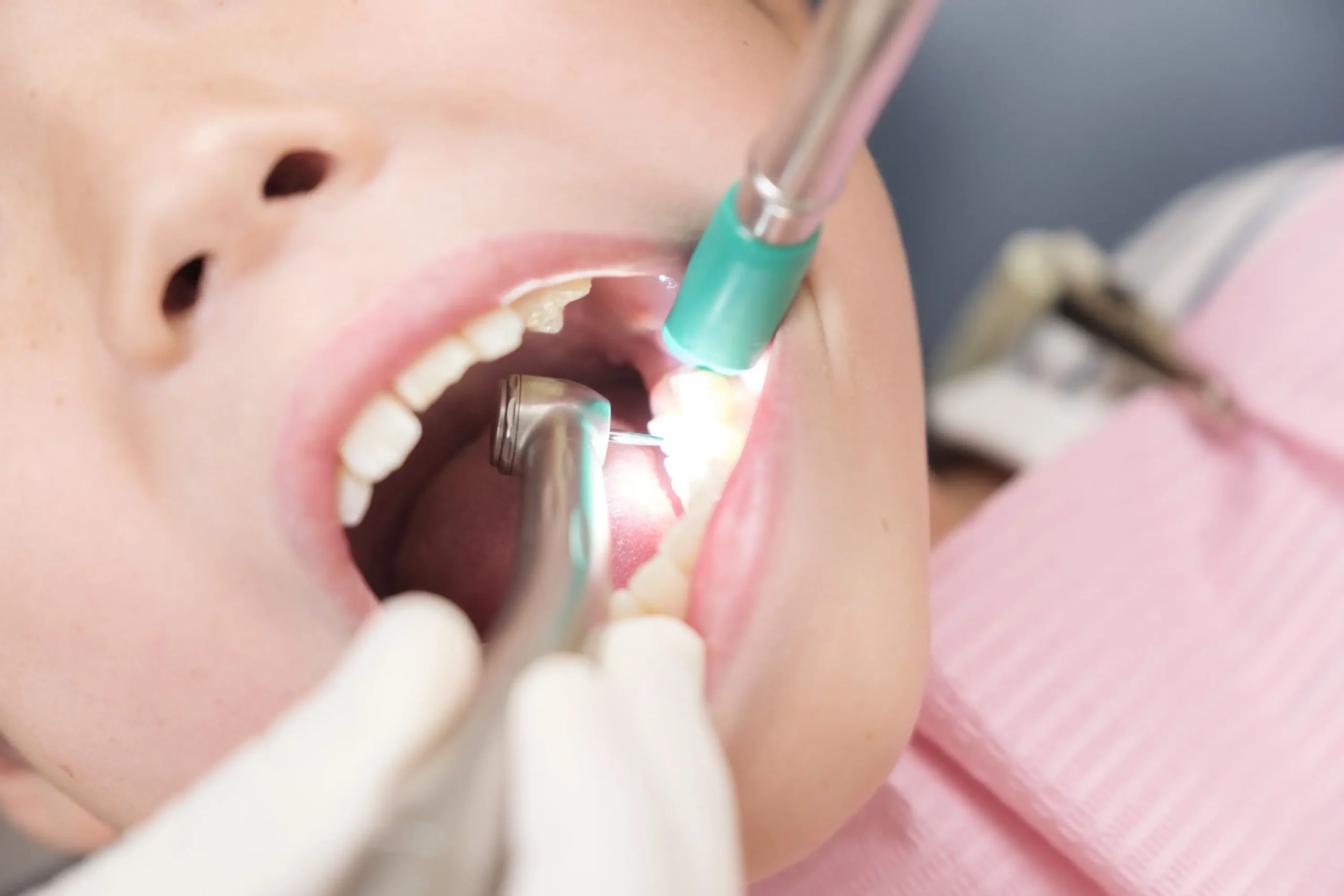
| Quick Answer An infection of a tooth can quickly turn life-threatening if left untreated, often within days or weeks, due to sepsis caused by dental abscesses that spread into the bloodstream and enter it directly. Do not delay seeking emergency dental or medical attention as soon as there is evidence of abscess formation, should an abscess be suspected – seek professional emergency help immediately! |
What Is a Tooth Infection?
An abscess, commonly referred to as a dental infection, is an area infected by bacteria that forms inside or alongside one or more teeth, the gum tissue or the bone supporting these structures.

Tooth pain is often dismissed as something they can manage with over-the-counter painkillers alone; this approach, however, can be disastrous: without treatment, the bacteria do not remain contained within one location — instead spreading around rapidly until eventually becoming fatally infectious.
Types of Dental Abscesses
| Type | Location | Common Cause | Risk Level |
| Periapical Abscess | Tip of the tooth root | Untreated tooth decay or trauma | High |
| Periodontal Abscess | Gum tissue beside the root | Gum disease (periodontitis) | High |
| Gingival Abscess | Gum surface only | Foreign body or food impaction | Moderate |
| Pericoronal Abscess | Around a partially erupted tooth | Wisdom tooth impaction | Moderate–High |
How Long Until a Tooth Infection Kills You? A Day-by-Day Timeline
Below is an outline of what could happen when left untreated: a tooth infection. Every case differs, but this provides you with a good overview.
| Timeframe | What Happens | Danger Level |
| Day 1–2 | Localized pain, swelling, and sensitivity begin. Bacteria are still contained. | Low–Moderate |
| Day 3–5 | Abscess forms. Swelling worsens. Fever may develop. Bacteria start spreading to nearby tissue. | Moderate |
| Day 5–7 | Infection can spread to jaw, neck, or floor of the mouth. Difficulty swallowing or breathing may begin. | High |
| Week 1–2 | Cellulitis (spreading skin infection) or Ludwig’s Angina can develop. Risk of airway obstruction rises sharply. | Very High |
| Week 2+ | Sepsis can occur as bacteria enter the bloodstream. Multi-organ failure is possible. Death risk becomes real. | Critical |
| 24–72 hrs (Sepsis) | Once sepsis begins, death can occur within 24 to 72 hours without emergency medical intervention. | Life-Threatening |
Key takeaways: There is no safe period during which to ignore tooth infection; its progression from abscess to life-threatening sepsis may happen more rapidly than many anticipate.
How a Tooth Infection Spreads and Kills
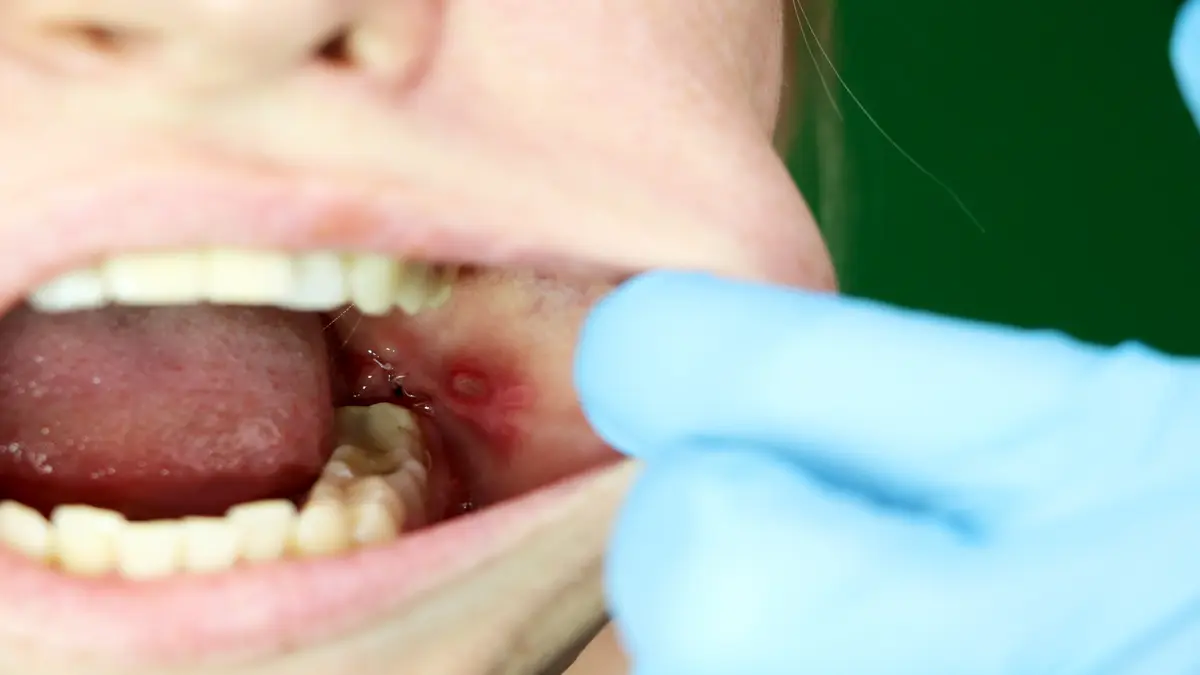
Understanding the spread path explains why a tooth infection is potentially fatal — not just painful.
1. Local Spread
Bacteria invade the pulp (inner tissue) of a tooth first before spreading throughout its root tip into nearby bone and soft tissues via its root tip canals.
2. Cervical Spread (To the Neck)
The most dangerous early complication is spread to the neck. The fascial spaces of the jaw and throat are connected. Bacteria travel through these spaces rapidly.
• Submandibular space infection causes jaw swelling
• Spread to the parapharyngeal space threatens the airway
• Ludwig’s Angina — a severe infection of the floor of the mouth — can suffocate a patient
3. Descending Mediastinitis
If bacteria reach the mediastinum (the chest cavity between the lungs), mortality rates jump to 40–50% even with intensive treatment. This happens faster than most people realize — sometimes within days of initial symptoms.
4. Sepsis and Septic Shock
Sepsis occurs when your body’s response to infection damages its own tissues, making septic shock an immediate medical emergency with mortality rates as high as 40-50%.
| Warning: Ludwig’s AnginaLudwig’s Angina is a rapidly spreading bacterial infection of the floor of the mouth. It can close the airway within hours. Without an emergency tracheotomy, it is fatal. It almost always originates from a lower molar tooth infection. |
Warning Signs You Need Emergency Care NOW
Go to the emergency room immediately — do not wait for a dentist appointment — if you experience any of the following:
1. Swelling that spreads to your neck, jaw, or eye
2. Difficulty swallowing or opening your mouth
3. Difficulty breathing or shortness of breath
4. High fever (above 39°C / 102°F)
5. Rapid heart rate or confusion
6. Feeling generally very unwell or weak
7. Swelling that has doubled in size within hours
Important: These are signs of a spreading infection that can be fatal. Every hour of delay increases your risk.
Tooth Infection Fatality: Key Statistics
| Statistic | Figure | Source / Context |
| Annual dental abscess-related hospitalizations (US) | ~61,000+ | US Agency for Healthcare Research |
| Mortality rate — untreated descending mediastinitis | 40–50% | Journal of Oral & Maxillofacial Surgery |
| Mortality rate — septic shock | Up to 40–50% | Critical care literature |
| Time for sepsis to become life-threatening | 24–72 hours | Surviving Sepsis Campaign guidelines |
| Ludwig’s Angina airway compromise risk | Up to 30% | Emergency medicine studies |
| Deaths attributable to dental abscess annually (US) | Estimated hundreds | Various epidemiological reports |
Who Is at Highest Risk?
A tooth infection can threaten anyone. But certain groups face a much higher risk of rapid, life-threatening spread.
• Diabetics: High blood sugar impairs immune response, allowing bacteria to spread faster
• Immunocompromised individuals: Cancer patients, HIV-positive individuals, or those on immunosuppressants have limited ability to fight infection
• Elderly patients: Weaker immune systems and delayed symptom recognition increase risk
• People with no access to dental care: Infections left untreated for financial or access-related reasons progress further before treatment
• Pregnant women: Hormonal changes increase susceptibility to gum disease and abscesses
• Patients with heart conditions: Bacteria can trigger endocarditis — a dangerous heart infection
An infection of any sort poses risks to all, but certain groups are especially at risk due to impaired immunity caused by high blood sugar.
- DIABETICS: impaired immunity allows bacteria to spread quickly)
- Individuals with compromised immunity: Cancer patients, HIV-positive persons or those taking immunosuppressants have limited ability to fight infection; * Elderly Patients: Weaker immune systems and delayed diagnosis increase risk
- People without access to dental care: Infections left untreated due to financial or access considerations often progress further before receiving proper care; Pregnant women: Hormonal changes increase susceptibility for gum disease and abscesses during gestation, leading to further progression before treatment begins;
- Patients with heart conditions: Bacteria can lead to endocarditis — a potentially life-threatening heart infection — in certain instances.
Treatment Options for a Tooth Infection
The right treatment depends on how advanced the infection is. Here is what doctors and dentists do at each stage.
| Stage | Treatment | Setting |
| Early abscess | Antibiotics + dental drainage (incision) | Dental office |
| Spreading cellulitis | IV antibiotics + surgical drainage | Hospital / oral surgery |
| Ludwig’s Angina | Emergency airway management + IV antibiotics + surgery | ICU / emergency room |
| Descending mediastinitis | Thoracic surgery + long-term IV antibiotics | Surgical ICU |
| Sepsis | Broad-spectrum IV antibiotics + vasopressors + organ support | ICU |
Antibiotics Alone Are Not Enough
A common mistake is relying on antibiotics without draining the abscess. Antibiotics reduce bacterial load but cannot reach pus effectively. The abscess must be drained surgically. Without drainage, the infection often returns and worsens.
How to Prevent a Tooth Infection From Becoming Dangerous
Prevention is straightforward. Follow these steps to protect yourself.
8. Brush twice daily with fluoride toothpaste
9. Floss once a day to remove bacteria between teeth
10. Visit a dentist every 6 months for check-ups and cleanings
11. Treat cavities promptly — do not wait until they cause pain
12. Wear a mouthguard if you grind your teeth at night
13. Avoid sugary drinks and foods that accelerate tooth decay
14. Quit smoking — it dramatically increases gum disease and infection risk
15. See a dentist immediately if you notice tooth sensitivity, swelling, or pus
Frequently Asked Questions
Can a tooth infection kill you if you take antibiotics?
Antibiotics reduce the risk significantly — but only if started early and the abscess is also drained. Antibiotics alone without drainage are often insufficient. If you have a deep or spreading infection, you need both treatment approaches together.
How quickly can a dental abscess spread?
Spread can happen within 24–48 hours in severe cases. Factors like a weakened immune system, diabetes, or delay in seeking care all accelerate the spread. Never assume you have time to wait it out.
Can a tooth infection spread to the brain?
Yes. In rare but documented cases, a dental abscess has spread to the brain, causing a cerebral abscess. This life-threatening condition requires neurosurgical intervention. It is uncommon but not impossible, especially when the upper teeth are involved.
What does a dangerous tooth infection feel like?
• Throbbing, severe pain that does not respond to painkillers
• Swelling in the face, jaw, or neck
• Fever and chills
• A foul taste or smell from pus drainage
• Pain when chewing or touching the tooth
• Swollen lymph nodes under the jaw or in the neck
Is a tooth infection a dental emergency?
Yes. Any suspected tooth abscess constitutes an emergency dental situation, and you should contact your dentist as soon as possible for care. In case a dentist cannot be reached immediately due to neck swelling, breathing difficulty, or high fever, then seek emergency help immediately from an emergency room.
Summary: Tooth Infection Risk at a Glance
| Factor | Low Risk | High Risk |
| Duration untreated | Less than 48 hours | More than 1 week |
| Swelling location | Tooth/gum only | Jaw, neck, or eye |
| Fever present | No | Yes (above 38.5°C / 101°F) |
| Breathing difficulty | No | Yes |
| Immune status | Healthy | Diabetic / immunocompromised |
| Access to care | Treated promptly | Delayed or unavailable |
| Antibiotics taken | Yes + drainage | No treatment at all |
Conclusion
A tooth infection is never “just a toothache.” Left untreated, it can spread to the jaw, neck, chest, and bloodstream — and kill within days to weeks.
The most dangerous complications — Ludwig’s Angina, descending mediastinitis, and sepsis — all move fast. Once these conditions develop, survival depends entirely on emergency medical intervention.
Solution for tooth infections early? Simple! Visit a dentist immediately upon the sign of an abscess; and go directly to an emergency room if swelling in your neck, breathing difficulties or high fever accompany dental pain.
Medical Disclaimer
This article offers general health information only and should not be seen as replacing professional advice from medical or dental providers. Always contact an accredited healthcare provider in case of diagnosis and/or treatment of any health issue.

Dr. Melia Abou-Hanna, DDS, a board-certified General & Cosmetic Dentist in downtown Chicago. Expert in esthetics, extractions, root canals & full-scope dentistry