Understanding Polycystic Ovary Syndrome:

PCOS: A Guide to Diagnosis, Management, and Treatment

pcos

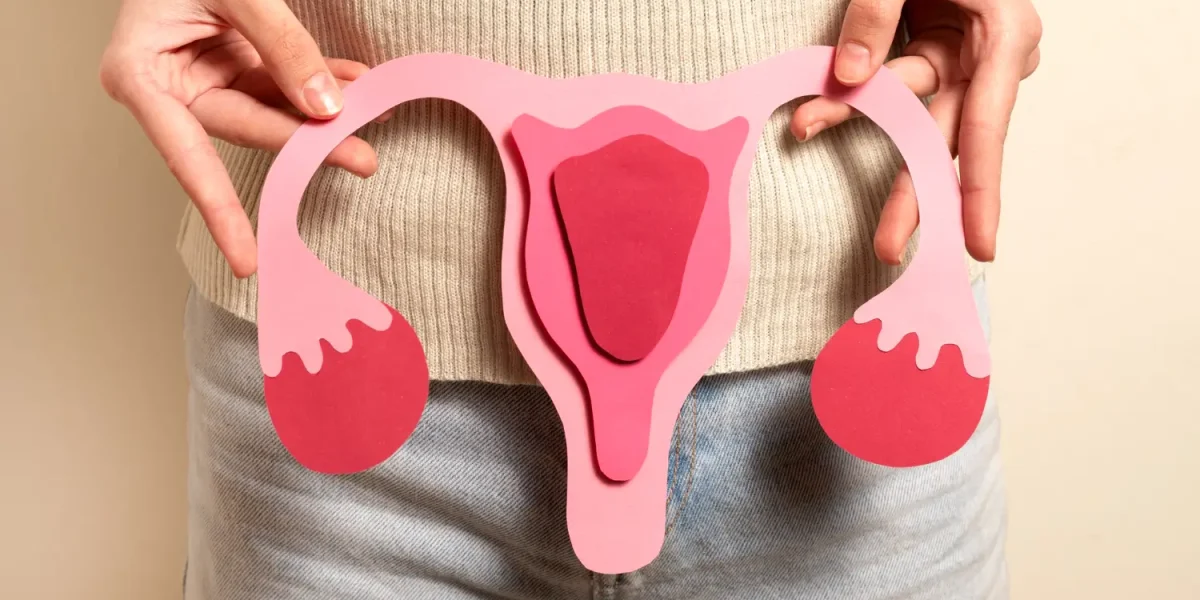
Polycystic Ovary Syndrome (PCOS) is a hormonal disorder affecting approximately 1 in 10 women of reproductive age. Despite its name, not all women with PCOS have ovarian cysts. The condition involves hormonal imbalances, insulin resistance, and metabolic dysfunction.

How Common Is PCOS?

Common Symptoms of PCOS

PCOS affects 5-10% of women of childbearing age and is one of the most common causes of female infertility. Symptoms typically begin in adolescence or early adulthood, often going undiagnosed for years. The condition runs in families, suggesting genetic components.

Common Symptoms of PCOS

Reproductive/Hormonal:

Irregular periods (fewer than 8 yearly), excess facial/body hair, hair thinning, severe acne, darkening skin in body creases.

Metabolic:

 Abdominal weight gain, difficulty losing weight, insulin resistance, diabetes, high cholesterol.

Emotional:

Depression, anxiety, mood swings, fatigue.

How PCOS Is Diagnosed

Diagnosis requires at least 2 of 3 features: irregular ovulation (fewer than 8 periods yearly), elevated androgens (high testosterone or physical signs), or polycystic ovaries on ultrasound. Diagnostic workup includes medical history, physical exam, blood tests (testosterone, LH/FSH, insulin/glucose, lipids, thyroid), and pelvic ultrasound.

Long-Term Health Risks

PCOS increases risk for Type 2 diabetes (4-7 times more likely), cardiovascular disease, metabolic syndrome, endometrial cancer, fatty liver disease, sleep apnea, depression, and infertility.

Comprehensive PCOS Management

1: Nutritional Management:

Key strategies include low glycemic index foods, balanced macronutrients at each meal, high fiber (25-30g daily), anti-inflammatory foods, and regular meal timing.

Emphasize: Lean proteins, non-starchy vegetables, healthy fats, complex carbs, high-fiber foods.

Limit: Refined carbohydrates, sugary beverages, processed snacks, trans fats, excessive dairy.

2: Weight Management:

Even modest weight loss of 5-10% can significantly improve PCOS symptoms, including menstrual regularity and ovulation.

Even modest weight loss of 5-10% can significantly improve PCOS symptoms, including menstrual regularity and ovulation.

pcos

Exercise: Aerobic exercise (5 days/week, 30-60 min), strength training (2-3 days/week), HIIT (2-3 days/week), and yoga for stress reduction improve insulin sensitivity.
pcos

3: Medical Treatments:

  • Metformin: Improves insulin sensitivity, may restore regular periods
  • Birth control pills: Regulates periods, reduces androgens
  • Anti-androgens: Spironolactone reduces excess hair and acne
  • Clomiphene or Letrozole: Induces ovulation for fertility

Recommended Supplements: Inositol, Vitamin D, Omega-3 fatty acids, Chromium, Magnesium, NAC. Always consult healthcare providers first.

PCOS and Fertility

Challenges:

Irregular ovulation, poor egg quality, increased miscarriage risk.

Improving Fertility:

Weight loss (5-10%), dietary changes, exercise, stress management, ovulation medications, Metformin, or IVF. Success rate: 70-80% of women with PCOS can conceive with treatment.

Managing Specific Symptoms

Excess Hair:

 Weight loss, anti-androgen medications, birth control pills, laser therapy.

Acne:

Anti-inflammatory diet, birth control pills, topical treatments. 

Hair Loss:

Address insulin resistance, anti-androgens, minoxidil, nutritional support.

Living Well with PCOS

Consistent meal timing, prioritize protein, stay hydrated, manage stress through meditation/yoga, quality sleep (7-9 hours), regular movement, track cycles, and maintain regular checkups.

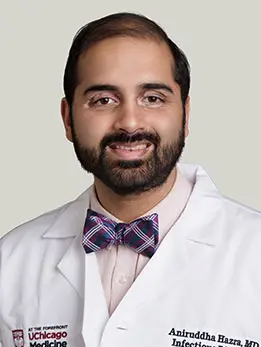
How Dr. Aniruddha Hazra (Infectious Disease & Sexual Health Specialist) Can Assist You

Consult Dr. Aniruddha Hazra, MD, a board-certified Infectious Disease specialist at UChicago Medicine. Expert in HIV, STIs, Hepatitis C, and LGBTQ+ health.

  • Personalized Nutrition Plans: Evidence-based dietary strategies to improve insulin sensitivity and manage symptoms
  • Comprehensive Support: Weight management, exercise guidance, and supplement recommendations
  • Proven Results: 85% of patients see symptom improvement within 3-6 months through sustainable lifestyle changes

Your treatment journey starts with one message.

Reach qualified healthcare providers instantaneously and arrange appointments online with simplicity, No lengthy queues, no complex processes—just easily access to trusted care, From consultation to recovery, we’re here to support your health every step of the way.

Book now or leave your phone number, and we will call you back!

    Shop
    0 items Cart
    My account