
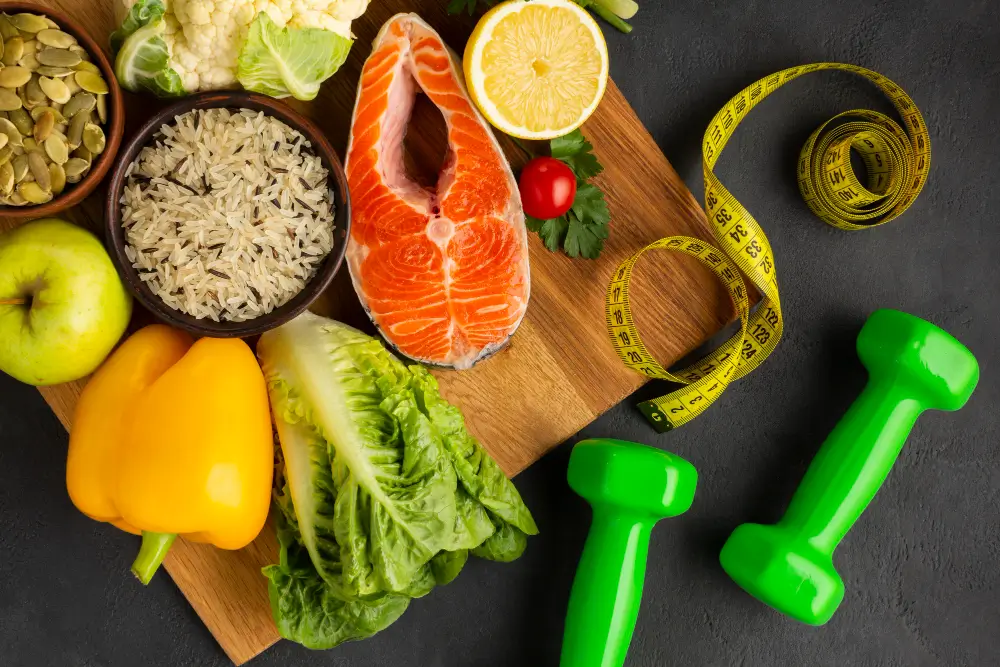
Are You Training Hard and Sleeping Well, but Gains Remain Faulkishly Slow? Often the culprit lies within our diets – specifically high protein muscle gain diets designed for men that not only fuel your workouts but are essential in providing muscle repair, growth and adaptation over the longer run.
Muscle is made as much at the kitchen table as it is at the gym. Without enough dietary protein, your body is short of the amino acid raw materials it needs to make new muscle tissue – regardless of how hard you work out. This comprehensive guide will tell you everything that you need to know: how much protein to eat, which foods give the best results, when to time your meals, and how to create a sustainable diet that fits your lifestyle.
What is a high-protein muscle gain diet?
A high-protein diet for building muscle is a structured nutrition protocol that emphasizes adequate protein consumption — alongside strategic caloric intake — to promote skeletal muscle hypertrophy. It goes beyond the idea of having chicken breast at every dinner. Instead, it looks at protein quality, meal distribution, macronutrient balance, and nutrient timing to maximize muscle protein synthesis (MPS) while managing fat gains.
At its core, this diet recognizes a fundamental natural law: When muscle fibers are broken by resistance training, dietary protein supplies the amino acids necessary for building those fibers up larger and stronger than they once were. Without excess dietary protein, however, the repair process slows to a snail’s pace.
“Protein is not just a macronutrient but the molecular basis of muscle tissue itself. Get dose, timing and source right, and every workout becomes a construction project.”
How Much Protein Do You Actually Need?
The Official Recommended Dietary Allowance (RDA) for protein is just 0.8 grammes per kilogram of body weight. This is simply meant to keep inactive individuals from getting too little protein, not to help them build muscle. Research indicates significantly elevated levels in high-protein muscle growth diets.
Science-backed protein targets
A landmark 2018 meta-analysis published in the British Journal of Sports Medicine, which drew on work by 49 studies and 1,800 participants, concluded that protein intakes beyond 1.62g per kg of body weight did nothing more for muscle gains. Yet many sports nutrition authorities suggest the normalization calculation range can be increased to reflect the severity and duration of a person’s individual exercise program, as well as dietary diversity itself.
| Goal / Population | Protein Target (per kg BW) | Example: 80kg Person | Notes |
| Sedentary adult (RDA) | 0.8g | 64g/day | Minimum to avoid deficiency |
| Recreational gym-goer | 1.2–1.6g | 96–128g/day | Good baseline for muscle maintenance |
| Active muscle building | 1.6–2.2g | 128–176g/day | Optimal for hypertrophy |
| Cutting (caloric deficit) | 2.2–3.1g | 176–248g/day | Higher protein preserves muscle mass |
| Advanced athletes | 2.0–2.4g | 160–192g/day | Returns diminish beyond this range |
The Best High-Protein Foods for Muscle Gain
But the nutritional benefit that can be derived from protein depends on its amino acid profile, specifically on the content of leucine, one of 9 essential amino acids. Dietary protein quality is largely dependent on the degree to which the body can assimilate what we eat. People need to improve their protein intake by eating complete proteins.
Animal-based protein sources
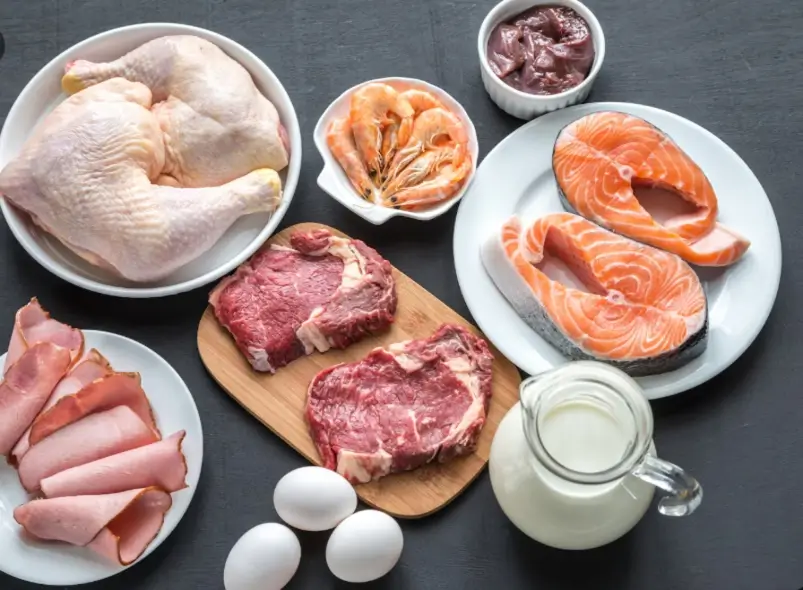
- Chicken breast — 31g protein per 100g, low-fat, highly versatile, and a staple in any muscle-building diet.
- Egg protein — Eggs are often called nature’s perfect protein, with a biological value of 100 and rich in leucine, choline, and healthy fats.
- Tuna and salmon — as well as being high in protein, they are a great source of omega-3 fatty acids that some research suggests can actually reduce muscle soreness and increase metabolic rate post-workout.
- Yoghurt made with Greek Yoghurt- by means of taking advantage of the West’s latest nutritional fad, Greek yoghurt provides around 17–20g of protein in a serving of 200g. It contains casein protein as well for slow-release amino acid release.
- Beef, lean — not only scores high in protein for your muscles but also provides plenty of rich iron and zinc, which are crucial to energy metabolism.
- Cottage cheese — being casein-dominant, it is one of the best pre-sleep protein options for muscle growth diets.
Plant-based protein sources
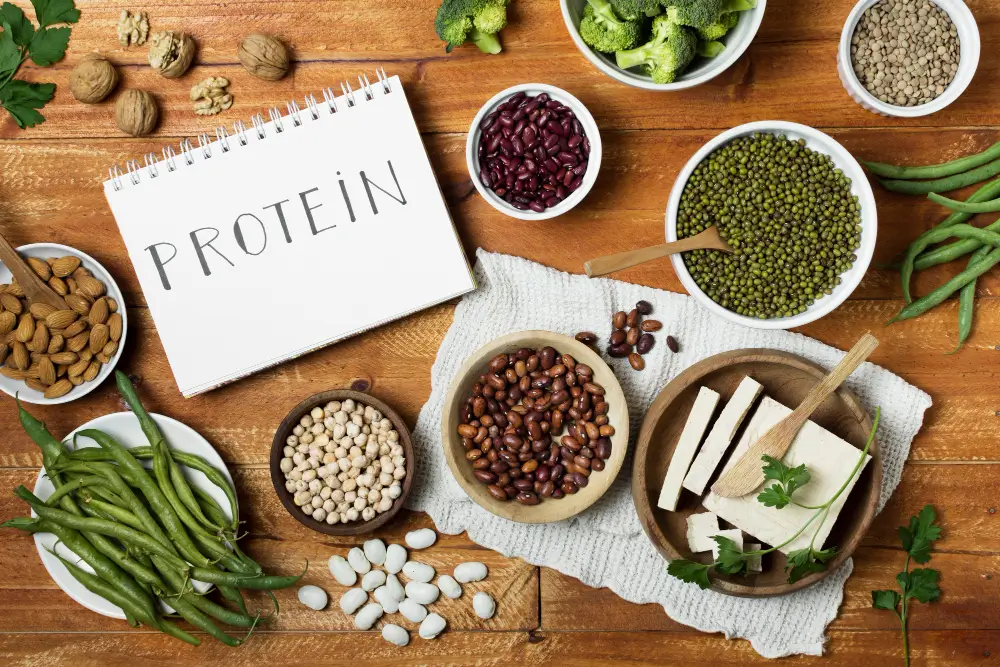
- Edamame (protein digestibility-corrected amino acid score) is as good as any of the animal sources and has none of their saturated fat. Edamame and Tofu can boast complete proteins.
- Lentils, chickpeas — food that’s high in fiber and low in cost. Boil a cup of it, and you’ve got 18–25 grams worth of protein; when combined with grains, for a complementary amino acid mix.
- Tempeh — fermenting soy makes it disappear as an allergen for many people, and 20 grams of protein per 100 g of noodle-like freshness (even more than that fresh soy flour has to offer).
- Quinoa is a complete protein grain: Boiling gives it a soft texture, but your yield varies with water content upon cooking. Nevertheless, 8g is handed out with each cooked cup. Make it the nutritional base for your meals to guarantee yourself carbohydrates and amino acids in proper balance.
- Hemp seeds — 10g of complete protein per 3 tablespoons, these little gems can be tossed into smoothies, oats or salads for extra nourishment.
Protein supplements
- Whey concentrate and isolate—both are quickly digested, rich in leucine, and the ideal protein supplement type for post-workout drinks used in combination with hard training to help grow the muscles faster than ever before.
- Casein protein—slow release, perfect for bedtime, creates a steady 7 to 8-hour-long drip of amino acids into the bloodstream over this period
- Pea Protein—more and more modern sources of plant-derived amino acids that are also high in leucine.
Macronutrient Balance: Protein Isn’t Everything
One common mistake in a novice’s high-protein diet. The approach people take is to ignore their other macronutrients and focus purely on protein. But as it happens, it is really quite impossible for carbs and fats to stop becoming the supporting stars in the muscles’ growth process.
Carbohydrates: your muscles’ fuel
Some carbohydrate foods might well be high-glycemic, low-fiber refined items. But when he actually set out to list other types of carbohydrate-rich fare, he could only come up with whole grains such as oatmeal or brown rice; vegetables like sweet potatoes and brown rice; cereals comprised mainly of nuts and seeds (cereal bars are an excellent candidate); and whole grain bread with whole grains in the top three positions on its ingredient list where there is more than five grams worth per serving.
Since the body needs at least half its daily intake of carbohydrates from high-efficiency sources of this essential energy supply such as fruit and unsweetened juice made from it (but not canned or bottled sweet stuff), here are some ways to get started from scratch with the new modern choice : try working back from 75% complex to 25% simple carbohydrate sources.
Dietary fats: hormones and absorption
Fat is essential in supporting testosterone production – an anabolic hormone responsible for muscle growth. A diet that restricts fat consumption to less than 20-35% will likely diminish these levels and hamper your muscle-building goals. Target 20-35% of total caloric intake as fat, prioritizing unsaturated sources like olive oil, avocados, nuts and fatty fish to ensure success with muscle building goals.
Meal Timing and Protein Distribution for Maximum Muscle Growth
Research into nutrient timing has seen considerable advancement. While the “anabolic window,” where protein should be consumed within 30 minutes post-workout, has become less restrictive over time, strategic meal timing remains important when trying to build muscle through high-protein diets.
How to structure your protein intake
- Spread protein evenly among three or five meals — studies demonstrate that evenly disbursing 160g of protein across multiple meals results in greater MPS than taking in two large doses at one sitting.
- Shoot for 30-40 grams per meal — this appears to be the optimal threshold that maximizes MPS stimulation when each meal includes at least 2-3g of leucine.
- Consume protein within two hours post-workout — even though your window for post-exercise nutrition might be wider than anticipated, post-exercise nourishment remains one of the best times to support muscle repair and tissue rebuild.
- Don’t skip pre-workout protein! A moderate protein meal consumed 1-2 hours before training has been proven to enhance performance while decreasing post-exercise muscle protein breakdown.
- Having a slow-releasing protein source, such as Greek yoghurt, cottage cheese or casein powder, consumed 30- 40 minutes before sleeping can support overnight MPS.
A Sample High-Protein Muscle Gain Diet: One-Day Meal Plan
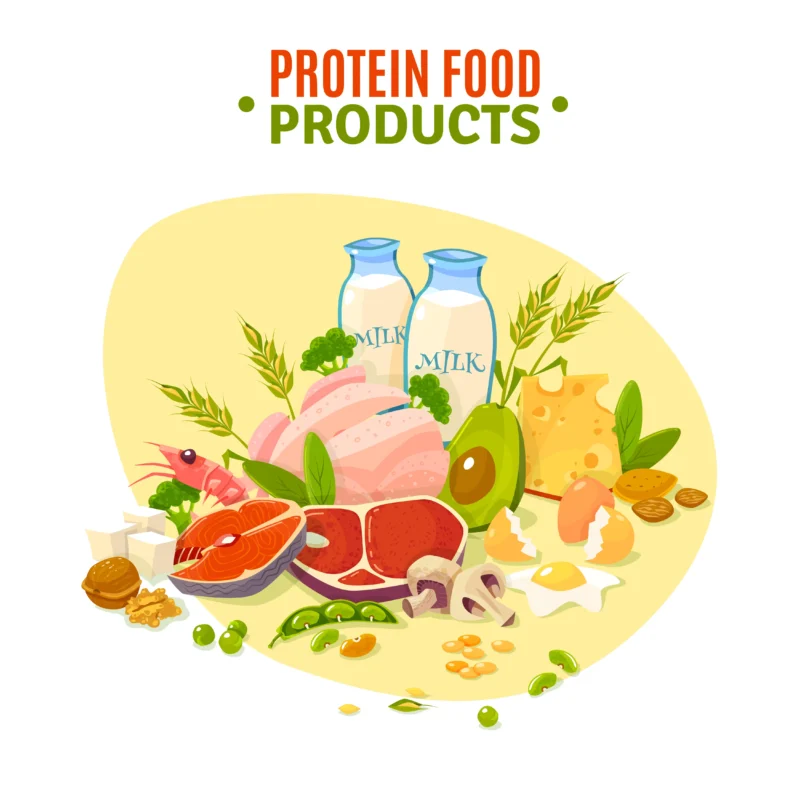
At first glance, seeing what goes into creating an effective high-protein muscle gain diet becomes much clearer for an individual weighing 80kg with moderate caloric surplus requirements, and eating the following plan. You could target approximately 175g of protein and 3,00 calories as your daily goal for effective muscle gains.
| Meal | Foods | Protein | Calories (approx.) |
| Breakfast 7am | 4 whole eggs + 2 whites scrambled, 100g oats, 1 banana | 38g | 670 kcal |
| Mid-morning 10am | 200g Greek yoghurt, 30g mixed nuts, 1 apple | 22g | 380 kcal |
| Lunch 1pm | 200g chicken breast, 200g brown rice, large salad with olive oil | 55g | 720 kcal |
| Pre-workout 4pm | Whey protein shake (30g), 1 banana, rice cakes | 30g | 370 kcal |
| Dinner 7:30pm | 200g salmon, 250g sweet potato, steamed broccoli and green beans | 48g | 620 kcal |
| Before bed 10pm | 200g cottage cheese, 20g almonds | 28g | 280 kcal |
| Total | — | 221g | ~3,040 kcal |
Common Mistakes on a High-Protein Muscle Gain Diet
Even those who attend the gym regularly can mess up their results by making dietary mistakes that might have been avoided. You’re ahead of most people since you know about this danger.
- Eating too little overall: Protein helps grow muscle, but when you don’t eat enough calories overall, your body utilises protein for energy instead of creating tissue. To create muscle efficiently, you need to eat more calories than you burn.
- Relying only on supplements: Protein powders should only ever serve as supplement tools and should never replace actual food sources with micronutrients, fibre, and an amino acid spectrum that supplements can’t fully replicate.
- Neglecting protein quality: Consuming 200g of low-leucine sources of protein is inferior to 160g from leucine-rich animal or soy proteins on a high-protein muscle-gain diet; quality matters as much as quantity!
- Unreliable eating habits: Not eating meals or spending six or more hours without protein greatly lowers daily MPS possibilities. This means that consistency is just as important as total daily protein intake.
- Neglecting Hydration: Protein metabolism causes increased urinary nitrogen excretion, increasing water needs. Dehydration compromises both performance and recovery – so aim to drink at least 35-40ml per kg of bodyweight daily!
- Fear of Carbs: Approaches with low carb intakes may compromise training intensity, reduce glycogen stores and limit muscle-building potential – so carbs should be seen as part of any weight gain diet plan.
Protein Timing Around Training: What Science Actually Says
Fitness industry industry for years pushed the anabolic window theory, claiming protein consumption immediately post-workout to maximize recovery was of crucial importance. However, more recent research indicates this view to be inaccurate — though timing still plays an integral part in an effective high-protein muscle gain diet plan.
A 2013 study from the Journal of International Society of Sports Nutrition concluded that as long as total protein consumption is sufficient and evenly spread throughout the day, its timing relative to exercise matters relatively little; however, consuming protein within 2-3 hours before training remains wise for fasted training or those who go longer without eating meals.
High-Protein Muscle Gain Diet for Different Body Types and Goals
For hardgainers (ectomorphs)
If you find it challenging to gain weight naturally, prioritise caloric density as part of a weight-gaining plan. Add foods rich in calories like whole eggs, nut butters, full-fat dairy and red meat; liquid calories such as protein smoothies made with oatmeal, milk and banana are an easy way to increase intake without feeling excessive fullness.
For those in a caloric deficit (cutting)
Under caloric restriction, muscle loss is inevitable; according to research by Dr. Jose Antonio, very high protein intakes (up to 3.4g per kg ) may help preserve lean mass during aggressive cuts. For optimal muscle retention results during aggressive dieting or cutting periods, ensure you incorporate moderate carb and fat reduction as well as resistance training volume within your diet while increasing protein consumption for increased lean mass preservation.
For plant-based athletes
It is feasible to follow a high-protein muscle-building diet while being vegan or vegetarian, but it takes more preparation. Make sure to combine complementary sources (like legumes and grains) and focus on soy proteins because they have a better amino acid profile. You can also take creatine (which is not found in plant foods), leucine supplements, or eat more protein overall to make up for the fact that plant proteins are harder to digest.
Frequently Asked Questions
1: Can you build muscle on a high-protein diet without a caloric surplus?
Yes, but only for those who are new to lifting or who are coming back after a break. Experienced lifters usually need to eat more calories than they burn to gain a lot of muscle. Protein alone may help maintain muscle and make little changes, but only an increase of 250–500 kcal speeds up hypertrophy in a substantial way.
2: Is it harmful to eat a lot of protein long-term?
Current research supports higher protein intakes up to 3g per kg bodyweight for healthy individuals without preexisting kidney conditions, without adverse ramifications on kidney health. Over time, their kidneys adapt and can efficiently process higher nitrogen loads; those who already suffer from existing conditions should consult a healthcare provider prior to significantly upping protein consumption.
3: How long does it take to see results on a high-protein muscle-gain diet?
Beginners typically see strength gains within 2-4 weeks and visible muscle growth after 8-12 weeks of consistent training and nutrition, typically yielding results such as the gain of 0.5-1kg of lean muscle per month under optimal circumstances – so patience and persistence must always remain essential components.
4: Do I need protein supplements, or can I get enough from whole foods?
Whole foods should always be your primary source, supplements like whey protein make it practical to meet daily goals with more convenience – particularly post workout or when whole food options are unavailable. They should only ever be seen as convenient additions; if you can consistently reach your protein goals through real foods alone, then supplements become optional.
5: What time should I eat protein for muscle growth?
Focus on spreading protein consumption throughout your day rather than concentrating it in one sitting; however, studies have demonstrated that taking in protein within two hours after training and eating a slow-digesting source before bed can significantly boost results on high-protein muscle gain diets.
6: Can women follow a high-protein muscle-gain diet?
Women generally follow the same general protein recommendations per kg of bodyweight; however, caloric needs tend to differ due to differences between average body size and metabolic rates. High protein diets allow women to build significant strength on an equal or slower timeframe due to lower testosterone levels.
Conclusion
An effective high-protein muscle gain diet is one of the best tools available to anyone serious about building stronger and more muscular physiques. Science shows us that adequate amounts of protein, spread throughout each day’s activities with sufficient total calories provided, combined with consistent resistance training, create the optimum biological environment necessary for muscle growth.
A simple approach works best. Achieve long-term results through commitment and consistency by eating quality protein from reliable sources, carbo-loading your training session with carbohydrates from quality sources, not forgetting healthy fats as part of a balanced meal plan, and repeating. Real results come from being disciplined enough to show up every time for both training sessions and meal planning plans!
Use the 1.6–2.2g per kg guideline to figure out how much protein you need each day. Then plan your meals around that and keep track of what you eat for a few weeks to become more alert. Over time, little, steady changes will add up to big effects that don’t appear small at all.

Riley Maloney is a Registered Dietitian Nutritionist (RDN) and Licensed Dietitian Nutritionist (LDN) with over 6 years of clinical experience helping individuals heal their relationship with food, recover from eating disorders, and improve their health without restrictive dieting. Practicing virtually from Chicago and contributing nutrition expertise to Erothots, Riley has supported over 800 clients on their journeys toward food freedom and body acceptance.