
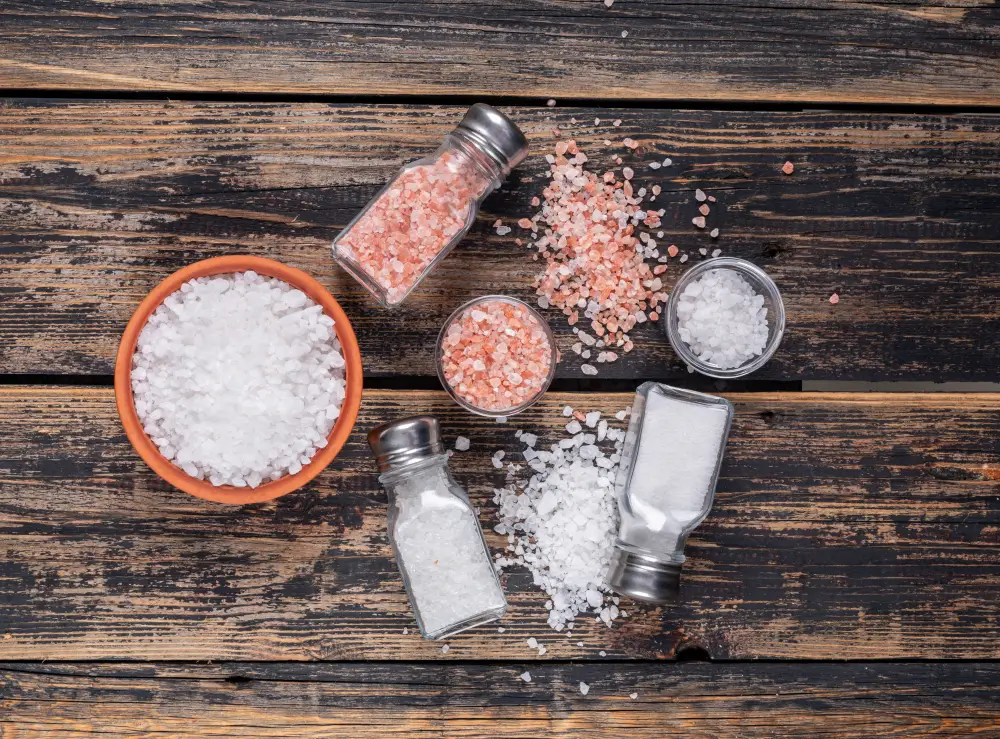
High blood pressure affects nearly half of American adults, and sodium is often the silent culprit hiding in plain sight. Most of us consume far more salt than our bodies actually need, often without realizing it. If you’re looking for foods with limited amount of salt to protect your heart, kidneys, and long-term health, you’re already taking a smart step toward better wellness.
This guide breaks down exactly which foods qualify as low-sodium, why it matters, and how to build a sustainable eating pattern around them. You’ll get practical examples, expert-backed insights, and answers to the questions people ask most.
Why Foods With Limited Amount of Salt Matter
Sodium plays a real role in your body—it helps regulate fluid balance and nerve function. The problem isn’t salt itself; it’s the sheer volume most people consume daily.
The American Heart Association recommends no more than 2,300 milligrams of sodium per day, with an ideal limit of 1,500 mg for most adults, especially those with high blood pressure. Yet the average American consumes around 3,400 mg daily, mostly from processed and restaurant foods rather than the salt shaker.
Choosing foods with limited amount of salt can:
- Lower blood pressure naturally over time
- Reduce strain on the kidneys
- Decrease water retention and bloating
- Lower risk of stroke and heart disease
- Improve overall taste sensitivity (your palate adjusts and craves less salt)
What Counts as a Low-Sodium Food?
Understanding labels helps you make faster decisions at the grocery store.
FDA Sodium Labeling Definitions
| Label Term | Sodium Content |
| Sodium-Free | Less than 5 mg per serving |
| Very Low Sodium | 35 mg or less per serving |
| Low Sodium | 140 mg or less per serving |
| Reduced Sodium | At least 25% less than the regular version |
| Light in Sodium | 50% less than the regular version |
This labeling system, regulated by the FDA, gives you a reliable shortcut when comparing packaged products.
Best Foods With Limited Amount of Salt
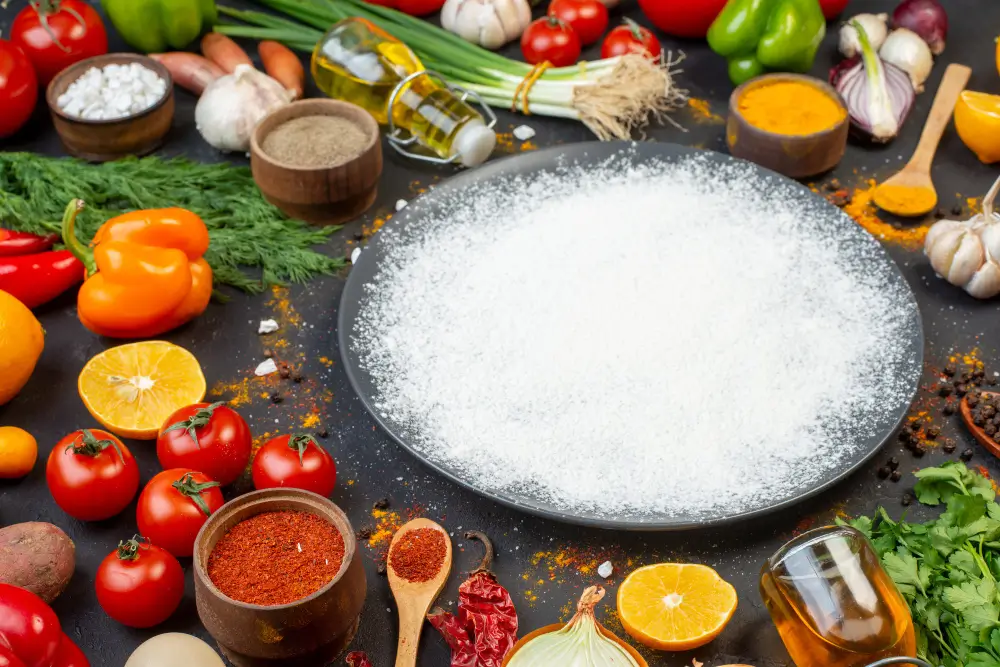
Fresh Fruits and Vegetables
Nearly all fresh produce is naturally low in sodium. Apples, bananas, spinach, broccoli, and bell peppers typically contain less than 10 mg of sodium per serving. Frozen vegetables without added sauces or seasoning packets are an equally good option and often more affordable.
Unsalted Nuts and Seeds
Plain almonds, walnuts, and sunflower seeds offer healthy fats and protein without the sodium load found in salted or roasted varieties. A one-ounce serving of raw almonds contains roughly 1 mg of sodium, compared to over 200 mg in salted versions.
Fresh Meat, Poultry, and Fish
Unprocessed cuts of chicken, beef, pork, and fish are naturally low in sodium before any seasoning is added. The issue arises with processed versions—deli meats, bacon, and sausages can contain 400-800 mg of sodium per serving.
Whole Grains
Brown rice, quinoa, oats, and plain whole wheat pasta contain minimal sodium when cooked without added salt. This makes them a versatile base for low-sodium meals.
Dairy in Moderation
Plain yogurt and low-sodium cheese options provide calcium without excessive salt. Cheese varies widely, so checking labels matters here more than with most other categories.
Foods That Quietly Sneak In Excess Salt
- Canned soups and broths
- Bread and rolls (a surprisingly large contributor due to daily consumption)
- Pizza and frozen meals
- Cold cuts and cured meats
- Condiments like soy sauce, ketchup, and salad dressings
- Restaurant and fast food meals
According to the CDC, more than 70% of sodium in the average American diet comes from packaged and restaurant foods, not home cooking. This is why reading labels matters more than avoiding the salt shaker.
Practical Steps to Reduce Sodium Intake
- Cook more meals at home using fresh ingredients
- Rinse canned beans and vegetables to remove up to 40% of added sodium
- Use herbs, citrus, garlic, and vinegar instead of salt for flavor
- Compare nutrition labels and choose lower-sodium versions of staples
- Limit condiments or choose low-sodium alternatives
- Gradually reduce added salt to allow taste buds to adjust
A registered dietitian’s perspective worth noting: taste preference for salt is learned, not fixed. Most people who reduce sodium intake for a few weeks report that previously normal foods start tasting noticeably salty, confirming the palate genuinely adapts.
Sample Low-Sodium Meal Plan
- Breakfast: Plain oatmeal with fresh berries and unsalted almonds
- Lunch: Grilled chicken salad with olive oil and lemon dressing
- Snack: Sliced cucumber with hummus made from scratch
- Dinner: Baked salmon, steamed broccoli, and brown rice with herbs
This pattern keeps daily sodium well within recommended limits while still delivering flavor and satisfaction.
Key Takeaways
- Fresh, whole foods are almost always foods with limited amount of salt
- Processed and restaurant foods are the biggest hidden sodium sources
- Reading nutrition labels is the single most effective habit you can build
- Taste buds adapt within a few weeks of reduced sodium intake
- Small swaps add up to significant long-term health benefits
Frequently Asked Questions
What is considered a low-sodium food?
A food is generally considered low-sodium if it contains 140 mg or less of sodium per serving, based on FDA labeling standards.
Can I still enjoy flavorful meals on a low-sodium diet?
Yes. Herbs, spices, citrus juice, vinegar, and garlic add significant flavor without the need for added salt.
How long does it take to adjust to less salt?
Most people notice a shift in taste sensitivity within two to four weeks of consistently reducing sodium intake.
Are sea salt and Himalayan salt lower in sodium than table salt?
No. All salt varieties, including sea salt and pink Himalayan salt, contain approximately the same amount of sodium by weight.
Is a low-sodium diet necessary for everyone?
Not everyone needs strict sodium restriction, but most adults benefit from moderating intake, particularly those with high blood pressure, kidney disease, or heart conditions.
Conclusion
Choosing foods with limited amount of salt doesn’t mean sacrificing flavor or convenience—it means becoming a more informed shopper and cook. Small, consistent changes like checking labels, cooking at home, and using herbs instead of salt can meaningfully lower your sodium intake over time. Start with one meal a day, build the habit, and your heart will thank you for it.
Sources and Further Reading
- American Heart Association — Sodium and Salt
- U.S. Food and Drug Administration — Sodium in Your Diet
- Centers for Disease Control and Prevention — Sodium Fact Sheets
- National Institutes of Health — Dietary Approaches to Stop Hypertension (DASH)
- Academy of Nutrition and Dietetics — Sodium Guidelines

Riley Maloney is a Registered Dietitian Nutritionist (RDN) and Licensed Dietitian Nutritionist (LDN) with over 6 years of clinical experience helping individuals heal their relationship with food, recover from eating disorders, and improve their health without restrictive dieting. Practicing virtually from Chicago and contributing nutrition expertise to Erothots, Riley has supported over 800 clients on their journeys toward food freedom and body acceptance.