

Introduction: Why Does Proper Skin Care Matter So Much?
Have you ever looked in the mirror and wished your skin could look naturally glowing, blemish-free, and healthy — without spending thousands on expensive products? You are not alone. Millions of people across Pakistan, India, and South Asia search every day for skin care in hindi wellhealthorganic guidance that is rooted in nature, science, and their own cultural context.
This guide brings together the best of Ayurvedic wisdom, dermatologist-backed routines, and organic home remedies to give you a comprehensive, practical roadmap for healthy skin. Whether you are dealing with acne, pigmentation, dryness, or simply want to maintain a radiant complexion, this article covers everything you need — explained in a way that is easy to understand and act upon.
The skin care in hindi wellhealthorganic philosophy is not about complicated routines or unaffordable products. It is about understanding your skin, working with nature, and building habits that last a lifetime.
What Is WellHealthOrganic Skin Care?
WellHealthOrganic skin care refers to a philosophy of caring for your skin using natural, organic, and traditionally validated ingredients — free from harsh chemicals, synthetic fragrances, and harmful preservatives. It blends modern dermatological science with time-tested South Asian beauty practices.
| Definition: Organic skin care is any routine or product that prioritises plant-derived, naturally sourced ingredients that are minimally processed, environmentally sustainable, and gentle on the skin natural microbiome. |
This approach is particularly relevant for South Asian skin types, which often face unique challenges:
- Hyperpigmentation due to higher melanin levels
- Oiliness and acne in hot, humid climates
- Sun damage from prolonged UV exposure
- Sensitivity to synthetic chemical formulations
Understanding Your Skin Type
Before you begin any skin care routine, you must identify your skin type. Using the wrong products is one of the most common and costly skin care mistakes people make.
The 5 Main Skin Types
| Skin Type | Characteristics | Common Issues | Best Ingredients |
| Normal | Balanced, few imperfections | Occasional dullness | Aloe vera, rose water |
| Oily | Shiny T-zone, enlarged pores | Blackheads, pimples | Fullers earth, neem |
| Dry | Tight, flaky, rough texture | Fine lines, irritation | Coconut oil, milk |
| Combination | Oily T-zone, dry cheeks | Mixed breakouts | Honey, jojoba oil |
| Sensitive | Easily irritated, reactive | Redness, stinging | Chamomile, aloe |
Quick Self-Test: Wash your face, wait one hour without applying anything, then observe. Tight = Dry. Shiny all over = Oily. Shiny T-zone only = Combination. Comfortable, no shine = Normal.
The Complete CTM Routine: Skin Care in Hindi WellHealthOrganic Daily Guide
The foundation of every effective skin care routine is the CTM method — Cleansing, Toning, and Moisturising. This simple three-step process, followed consistently morning and night, can visibly transform your skin within weeks.
Step 1: Cleansing — Deep Cleaning Your Skin
Cleansing removes dirt, oil, pollutants, and dead skin cells. The Well Health tips approach means choosing gentle, natural cleansers over harsh soap bars that strip the skin protective barrier.
Best Natural Cleansers:
- Chickpea Flour (Besan): Gently exfoliates without stripping natural oils — used across generations in Pakistan and India.
- Raw Milk: Lactic acid dissolves dead skin cells and brightens the complexion — ideal for dry and sensitive skin.
- Aloe Vera Gel: Anti-inflammatory and antibacterial — ideal for acne-prone and oily skin.
- Neem Powder: Powerful antibacterial compounds fight acne-causing bacteria and control excess sebum.
| Expert Insight: Dermatologists recommend avoiding washing your face more than twice a day. Over-cleansing disrupts the skin natural acid mantle and paradoxically causes more oil production, not less. |
How to Cleanse Properly:
- Wet your face with lukewarm water — never hot, as heat breaks down the skin barrier.
- Apply your cleanser in gentle circular motions for a full 60 seconds.
- Rinse thoroughly and pat dry with a clean soft towel — never rub.
- Cleanse consistently morning and night without skipping.
Step 2: Toning — Restoring Balance After Cleansing
Toning restores the skin natural pH balance and prepares it to absorb moisturiser. Most commercial toners contain drying alcohol. Natural alternatives work just as well — and often better.
Best Natural Toners:
- Rose Water: The gold standard of natural toners across South Asia for centuries. Hydrates, soothes, and brightens. Safe for all skin types.
- Green Tea Water: Brewed and cooled green tea applied as a toner fights free radical damage and premature aging.
- Apple Cider Vinegar (diluted 1 part to 3 parts water): Balances pH and gradually reduces pigmentation. Always dilute before applying.
- Cucumber Juice: Cooling, anti-inflammatory, and hydrating — ideal for sensitive or sun-damaged skin.
Step 3: Moisturising — Locking In Hydration
Moisturising is non-negotiable in any skin care routine — even for oily skin. Skipping it signals the skin to produce more oil as compensation, making oiliness worse.
Best Natural Moisturisers by Skin Type:
- Oily Skin: Aloe vera gel, jojoba oil (non-comedogenic), lightweight rose hip oil
- Dry Skin: Coconut oil, shea butter, olive oil, raw milk cream
- Combination Skin: Aloe vera gel mixed with a few drops of sweet almond oil
- Sensitive Skin: Pure aloe vera, oat-infused water, calendula oil
Weekly Skin Care Rituals for Deeper Results
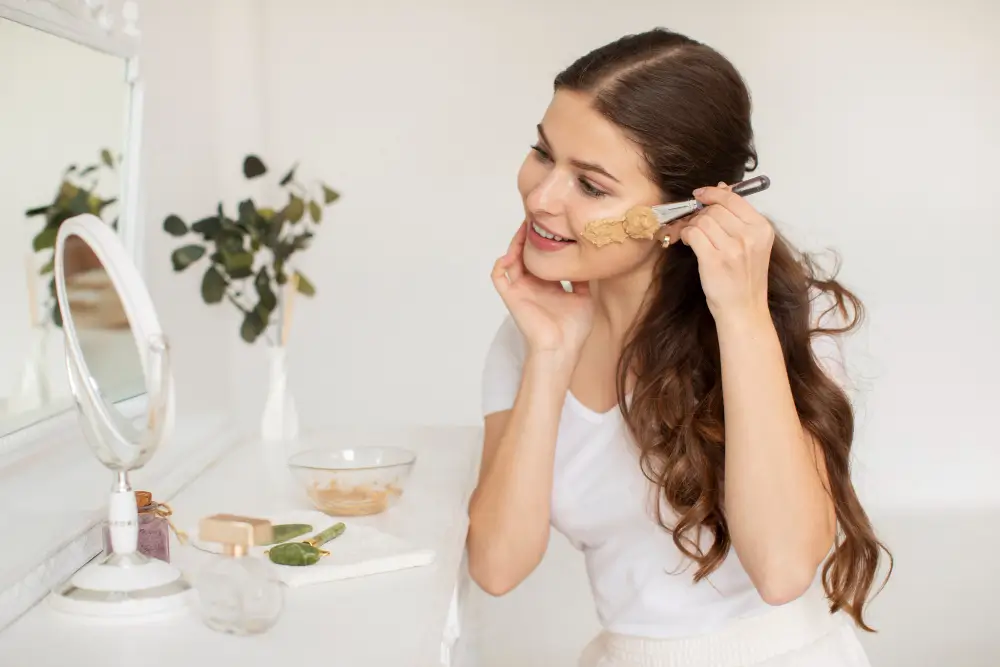
The daily CTM routine forms your base. A comprehensive skin care in hindi wellhealthorganic approach also includes focused weekly treatments that address deeper skin concerns.
Exfoliation — Removing Dead Skin Cells
Exfoliating two to three times per week removes dead skin cells that dull the complexion, clog pores, and block product absorption.
Best Natural Scrubs:
- Chickpea Flour + Turmeric + Milk: Mix 2 tbsp chickpea flour, half tsp turmeric, and raw milk. Apply, let dry partially, then rub off gently.
- Sugar + Coconut Oil: 1 tbsp each. Gentle enough for sensitive skin — also great for lips.
- Oats + Honey: Soothes active inflammation while exfoliating — ideal for acne-prone skin.
Face Masking — Weekly Targeted Treatment
| Skin Concern | Natural Mask Recipe | Application Time |
| Acne and Oiliness | 2 tbsp Fullers Earth + Rose Water | 15 minutes, rinse with cool water |
| Pigmentation | 1 tsp Turmeric + 1 tbsp Honey + Lemon juice | 10 minutes, rinse gently |
| Dryness | 1 tbsp Raw Milk Cream + 1 tsp Honey | 20 minutes, rinse with warm water |
| Brightening | Chickpea Flour + Sandalwood Powder + Rose Water | 15 minutes, gently rub off |
| Anti-Aging | 1 tbsp Aloe Vera + half tsp Vitamin E oil | 30 minutes, rinse off |
Sun Protection: The Single Most Important Step You Are Probably Skipping
According to the American Academy of Dermatology, up to 80% of visible aging — wrinkles, pigmentation, and sagging — is directly caused by UV exposure, not the biological aging process. This makes daily SPF the single most impactful step in any skin care routine.
Why You Need SPF Every Day:
- UV rays penetrate clouds and glass — sun damage can occur indoors and on overcast days.
- Hyperpigmentation is dramatically worsened by UV exposure — no brightening treatment lasts without SPF.
- Daily SPF prevents premature wrinkles more effectively than any anti-aging cream.
- UV radiation suppresses the skin immune response, increasing vulnerability to inflammation and acne.
Natural Sun Protection Options:
- Zinc Oxide-based (mineral) sunscreens: Sit on the skin surface rather than absorbing — gentler on sensitive South Asian skin tones.
- Red Raspberry Seed Oil: Natural SPF of approximately 28 to 50 — use as a supplement to, not replacement for, sunscreen.
- Carrot Seed Oil: Mild UV protection alongside powerful antioxidants that help repair existing sun damage.
Golden rule: Apply SPF 30 or higher as the final step of your morning routine every day, regardless of weather or plans.
Targeted Solutions: Common Skin Problems and Organic Remedies
Acne and Pimples
Acne affects approximately 85% of people in South Asia at some point in their lives. The skin care in hindi wellhealthorganic approach uses anti-inflammatory, antibacterial natural ingredients that work without the severe dryness caused by chemical treatments.
Proven Natural Acne Remedies:
- Neem Leaf Paste: Apply directly to active pimples overnight. Clinically as effective as many over-the-counter acne treatments.
- Tea Tree Oil (diluted 1:9 with carrier oil): Clinical trials show it reduces acne lesion count within four to six weeks of consistent use.
- Turmeric and Honey Spot Treatment: Reduces pimple swelling and redness within 24 hours.
- Aloe Vera and Lemon Juice Toner: Balances sebum while treating active breakouts without over-drying.
What to Avoid:
- Popping or picking pimples — causes permanent scarring and spreads bacteria
- Harsh physical scrubbing on active breakouts
- Heavy, pore-clogging oils like undiluted coconut oil on oily skin
Hyperpigmentation and Dark Spots
Hyperpigmentation is extremely common in South Asian skin tones and results from sun exposure, acne scarring, hormonal changes, or inflammatory responses. Treatment requires both topical remedies and consistent sun protection.
Best Organic Brightening Ingredients:
- Vitamin C (lemon juice, amla, or papaya): Inhibits melanin production at the enzymatic level — apply under SPF daily.
- Fermented Rice Water: Contains kojic acid, a natural brightener with well-documented clinical efficacy.
- Licorice Root Extract: Contains glabridin which inhibits tyrosinase — the enzyme responsible for dark spot formation.
- Turmeric: Curcumin has been shown in clinical studies to reduce melanin synthesis by up to 60%.
Simple 4-Step Brightening Routine:
- Apply fermented rice water toner twice daily, morning and night.
- Use a Vitamin C treatment (amla juice or diluted lemon) in the morning before SPF.
- Apply a turmeric face mask twice weekly.
- Always follow with SPF 30 or higher — without this, no brightening treatment produces lasting results.
Dry and Dehydrated Skin
Dry skin lacks lipids (oils), while dehydrated skin lacks water. Both can occur simultaneously and require different treatments. Signs of dryness: flaking, tightness, rough texture. Signs of dehydration: dullness, dark circles, slow skin rebound when gently pinched.
WellHealthOrganic Solutions:
- Hydration from within: Drink 8 to 10 glasses of water daily. Include water-rich foods — cucumber, watermelon, coconut water.
- Milk and Honey Mask: Raw milk provides lactic acid and natural fats; honey adds humectant properties for deep moisturisation.
- Glycerin and Rose Water (1:3 ratio): Apply before bed nightly — transforms dry skin within two to three weeks of consistent use.
- Overnight Raw Milk Cream Treatment: Apply to dry areas at night, wash off in the morning. Restores moisture throughout the night.
Diet and Skin Health: What You Eat Shows on Your Face
No topical product can fully compensate for a poor diet. Dietary choices profoundly affect skin appearance, oil production, inflammation, and the rate of visible aging. Eating for your skin is a core pillar of the skin care in hindi wellhealthorganic philosophy.
Skin-Boosting Foods to Prioritise:
- Almonds and Walnuts: Rich in Vitamin E and omega-3 fatty acids essential for skin elasticity and glow.
- Amla (Indian Gooseberry): One of the highest natural concentrations of Vitamin C — essential for collagen synthesis.
- Fenugreek Seeds: Hormonal balancing properties reduce hormonal acne, especially for women.
- Turmeric Milk (Golden Milk): A nightly anti-inflammatory drink that reduces skin inflammation from within.
- Green Leafy Vegetables: Spinach and kale reduce dark circles and boost overall skin radiance.
- Fatty Fish: Omega-3 fatty acids reduce inflammation and strengthen the skin barrier.
Foods to Limit:
- Refined sugars — trigger insulin spikes that worsen acne and accelerate skin aging
- Excess dairy — can aggravate hormonal acne in some individuals
- Fried and processed foods — increase oxidative stress that damages skin cells
- Excess salt — causes water retention and visible puffiness around the eyes
Lifestyle Habits That Affect Your Skin as Much as Any Product
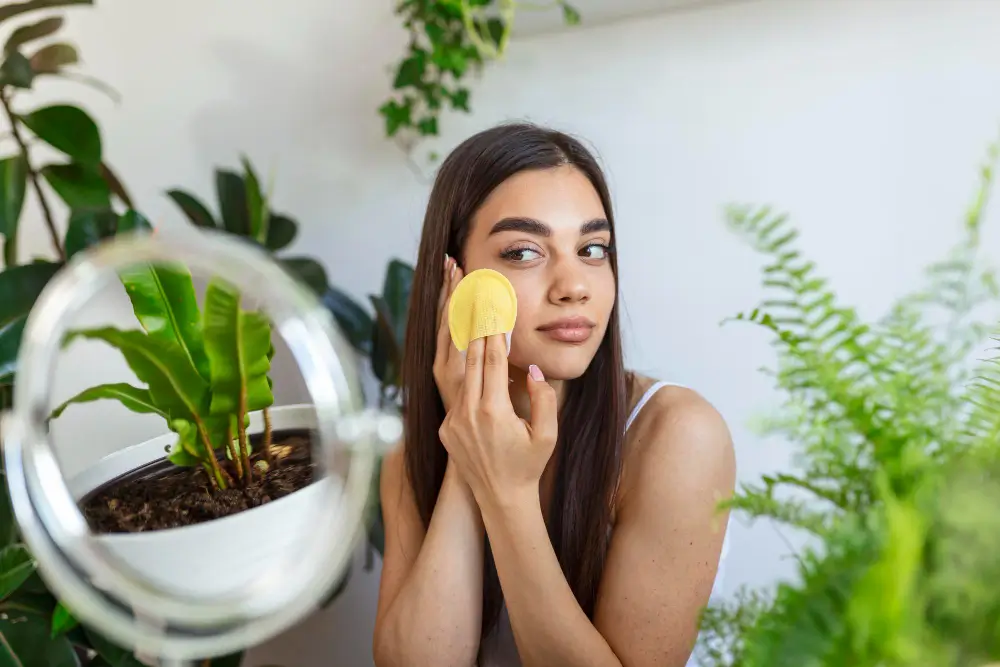
Sleep and Skin Repair
Your skin does most of its healing during sleep. During deep sleep cycles, growth hormone is released, skin cells regenerate, and collagen production peaks. Research shows chronic poor sleepers display significantly higher skin aging markers, reduced barrier function, and slower recovery from sun damage.
Tips for Better Beauty Sleep:
- Aim for seven to nine hours of quality sleep every night as a non-negotiable health priority.
- Sleep on a silk or satin pillowcase to reduce friction-related creases and hair breakage.
- Apply a nourishing overnight face oil or sleeping mask before bed.
- Always remove all makeup and thoroughly cleanse before sleeping — sleeping in makeup ages skin prematurely.
Stress Management and Your Skin
Chronic stress triggers cortisol release, which increases sebum production, breaks down collagen, disrupts the skin barrier, and worsens acne, eczema, and psoriasis. Managing stress is an evidence-based part of your skin care routine.
Effective Strategies:
- At least 20 minutes of daily exercise — increases circulation and delivers oxygen to skin cells
- Daily meditation or deep breathing — directly reduces cortisol levels
- Limiting caffeine, which amplifies stress responses in the body
- Getting outdoors in natural morning light — regulates cortisol and melatonin rhythms
Seasonal Skin Care Adjustments
Pakistan and South Asia experience dramatic climate variation. Adjusting your skin care in hindi wellhealthorganic routine seasonally keeps your skin balanced and healthy throughout the year.
Summer — Hot and Sunny Months
- Switch to lighter, gel-based or water-based moisturisers.
- Apply SPF 30 or higher every morning and reapply every two hours outdoors.
- Incorporate cooling ingredients: cucumber, aloe vera, rose water, green tea.
- Exfoliate three times per week to prevent sweat and sebum buildup.
Winter — Cold and Dry Months
- Switch to richer cream-based or oil-based moisturisers for a stronger barrier.
- Use a humidifier indoors to counteract cold and dry indoor air.
- Add rosehip or argan oil as the final step of your nighttime routine.
- Reduce exfoliation to once per week to avoid stripping already-dry skin.
Monsoon — Humid and Rainy Months
- Return to lighter moisturiser textures as ambient moisture levels rise.
- Use neem and tea tree oil to prevent humidity-related skin infections.
- Cleanse thoroughly twice daily to prevent sweat-related breakouts.
- Keep hands away from your face consistently — a leading cause of bacterial acne.
Age-Specific Skin Care Guidance
| Age Group | Primary Focus | Best Ingredients | Most Important Action |
| Teens and 20s | Establish clean CTM habit | Neem, aloe vera, SPF | Start sunscreen now — best anti-aging investment |
| 30s | Antioxidant protection | Vitamin C, rosehip oil | Add eye cream and facial massage |
| 40s and Beyond | Collagen support and barrier repair | Bakuchiol, rich face oils | Consult a dermatologist for personalised guidance |
Key Takeaways and Action Items
Use this checklist to build your skin care in hindi wellhealthorganic routine starting today:
- Identify your skin type before choosing any products or home remedies.
- Follow CTM every morning and night without exception — consistency produces results.
- Apply SPF 30 or higher every morning regardless of weather, season, or indoor plans.
- Add weekly face masks tailored to your specific skin concerns.
- Eat skin-nourishing foods and drink adequate water daily.
- Prioritise seven to nine hours of sleep and actively manage stress.
- Adjust your routine seasonally to stay balanced across all climates.
- Be patient and consistent — natural routines take four to eight weeks to show visible results.
Frequently Asked Questions
Q1. What exactly does skin care in hindi wellhealthorganic refer to?
It refers to the WellHealthOrganic approach to skin care — a natural, organic method using traditional South Asian home remedies, Ayurvedic ingredients, and science-backed practices. The in hindi component reflects that this guidance is designed to be culturally accessible for South Asian audiences across Pakistan, India, and beyond.
Q2. Can I use coconut oil if my skin is oily?
Coconut oil is not recommended for oily skin. It is highly comedogenic (pore-clogging) and can worsen acne. Better alternatives include jojoba oil, pure aloe vera gel, or a niacinamide-based moisturiser — all of which hydrate without blocking pores.
Q3. How long does it take to see results from a natural skin care routine?
Most people notice improvements in texture, softness, and brightness within two to four weeks of consistent daily practice. Deeper concerns like hyperpigmentation or acne scars may take eight to twelve weeks or longer. The key variable is daily consistency — results require showing up every day.
Q4. Is turmeric safe for daily use directly on the skin?
Yes, turmeric is safe and beneficial for most skin types. The main drawback is a temporary faint yellow tint on lighter skin tones. Mixing it with chickpea flour, milk, or honey reduces staining considerably. Patch test first if you have sensitive skin.
Q5. What is the most effective natural remedy for dark under-eye circles?
Cold cucumber slices, chilled green tea bags, raw potato juice, and adequate sleep are the most effective approaches. Dark circles from pigmentation respond to brightening treatments; those from visible blood vessels respond best to better hydration and sleep quality.
Q6. Should my morning and nighttime routines be different?
Yes. The morning routine should prioritise protection — antioxidant serums followed by sunscreen. The nighttime routine should prioritise repair — deeper cleansing, active treatment ingredients, and richer moisturisers or face oils. Your skin repairs itself most actively during sleep, making the nighttime routine your best treatment window.
Q7. Is it a mistake to skip moisturiser when skin is very oily?
Yes — skipping moisturiser on oily skin triggers more oil production as compensation. The solution is to choose correctly: a lightweight, non-comedogenic, water-based gel moisturiser hydrates without heaviness or triggering breakouts.
Conclusion: Your Journey to Healthy, Radiant Skin Starts Right Now
Caring for your skin does not require an expensive product cabinet or a complicated routine. The skin care in hindi wellhealthorganic philosophy demonstrates that the most effective ingredients are often already in your kitchen — turmeric, chickpea flour, honey, neem, and aloe vera — when used thoughtfully, consistently, and in harmony with your unique skin type.
The foundations are simple and proven: understand your skin, protect it from the sun every day, nourish your body with wholesome food and water, prioritise sleep, and manage stress. Combine these habits with a consistent natural skin care routine, and your skin will visibly reflect that care within weeks.
Start today. Pick even one step from this guide and begin. Build from that foundation daily. Small, consistent actions compounded over weeks and months produce transformative, lasting results.
For more expert guidance on diet for healthy skin, natural hair care routines, Ayurvedic wellness, and clinically-grounded health and beauty information relevant to Pakistani audiences.
Sources and Further Reading
Clinical and Scientific Sources
- American Academy of Dermatology (AAD): Evidence-based skin care and sun protection guidelines.
- Journal of Clinical and Aesthetic Dermatology: Studies on turmeric, tea tree oil, and neem in clinical dermatology.
- Clinical and Experimental Dermatology: Sleep quality and skin aging biomarker research.
- World Health Organization (WHO): Safety guidance on cosmetic ingredients.
- WebMD Dermatology Centre: Expert-reviewed skin condition information.
- Mayo Clinic Skin Care: Evidence-based medical guidance.

Dr. Nessa Aghazadeh Mohandesi is a board-certified dermatologist who has had advanced training in pediatric dermatology and clinical genomics at the Mayo Clinic, which is one of the best medical schools in the world. Her unique skills in dermatology, genetics, and pediatric care make her one of the few doctors who can diagnose and treat rare hereditary skin illnesses.