

Introduction:
Hearing “you have breast cancer” is one of the scariest things that can happen to a person. But the stage of the cancer is just as important as the diagnosis. The five stages of breast cancer are not just medical terms; they constitute the basis for every treatment option, survival projection, and care plan.
5 Stages of Breast cancer is that women are most likely to be diagnosed with. The World Health Organization (WHO) says that about 2.3 million women are diagnosed with breast cancer each year. Finding it early is still the most significant thing for increasing survival rates. This handbook clearly, kindly, and thoroughly explains all five phases of breast cancer. It helps patients, caregivers, and anybody else who wants to know more discover the answers they need.
When you finish reading this page, you will know how each stage is defined, what symptoms or indicators may show up, what therapies are usually prescribed, and what the latest survival rates say, all based on reliable medical sources.
What Is Breast Cancer Staging? The Basics You Need to Know
Breast cancer staging is how physicians figure out how far the cancer has gone and how far along it is. The American Joint Committee on Cancer (AJCC) came up with the TNM method, which is used all around the world to stage cancer. It looks at three main things:
- T (Tumor): The size and spread of the main tumor
- N (Node): If the malignancy has progressed to lymph nodes that are close by
- M (Metastasis): This means that the cancer has spread to organs that are far away, like the brain, liver, lungs, or bones.
A final stage from 0 to IV is given based on these three areas. In 2018, this staging technique was greatly improved to include biological parameters, including hormone receptor status (ER, PR) and HER2 protein expression. This makes modern staging more accurate than ever before.
Understanding where a cancer falls within the 5 stages of breast cancer helps oncology teams build personalised treatment plans and gives patients realistic expectations about their journey ahead.
At-a-Glance: The 5 Stages of Breast Cancer Comparison Table
The table below gives a quick look at all the stages:
| Stage | Tumor Size | Spread | Treatment | 5-Yr Survival |
| Stage 0 | In situ only | None | Surgery / Radiation | Nearly 100% |
| Stage I | Up to 2 cm | None | Surgery + Hormone/Chemo | ~99% |
| Stage II | 2–5 cm | Nearby nodes | Surgery + Chemo + Radiation | ~86% |
| Stage III | May be large | Regional nodes | Chemo + Surgery + Radiation | ~57–86% |
| Stage IV | Any size | Distant organs | Systemic therapy | ~29% |
Note: The survival rates are rough estimates based on data from the U.S. SEER database and can be different for each person based on their biology, access to therapy, and other things.
Stage 0 Breast Cancer: The Earliest Point of Detection
There are abnormal cells, but they haven’t spread to nearby breast tissue. This stage is not properly classified as invasive cancer.
Ductal Carcinoma In Situ (DCIS) or Lobular Carcinoma In Situ (LCIS) are other names for this.
What Is Stage 0 Breast Cancer?
Stage 0 breast cancer, also known as non-invasive or pre-cancerous breast cancer, is when abnormal cells are identified in the ducts or lobules of the breast but have not yet broken through to the tissue around them. Ductal Carcinoma In Situ (DCIS) and Lobular Carcinoma In Situ (LCIS) are the two most prevalent kinds.
Routine mammograms can often find DCIS before any symptoms show up, which is why screening mammograms are so important for recognizing it early.
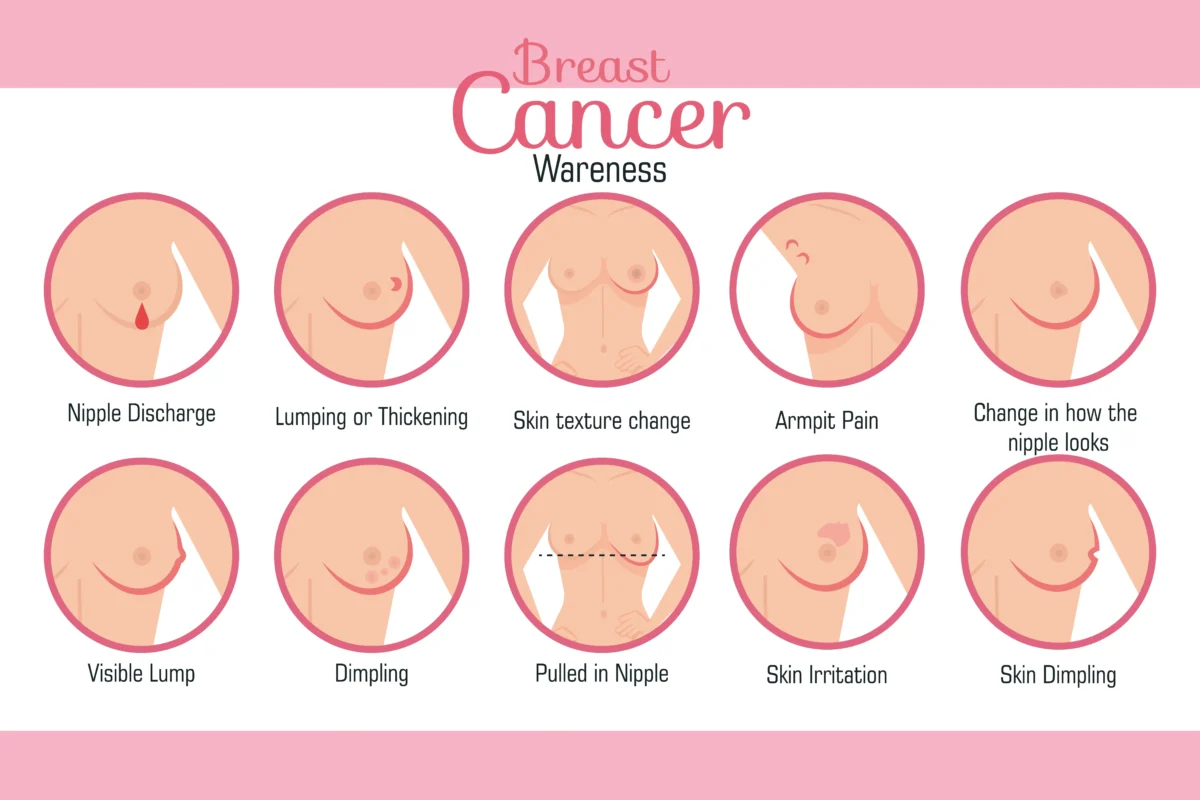
Signs of Stage 0
- Usually no signs of illness.
- A tiny lump or discharge from the nipple may be present from time to time.
- Almost always found during a routine mammography
Stage 0 Treatment Options:
- Lumpectomy (surgical to save the breast) followed by radiation.
- Mastectomy in certain instances of extensive DCIS.
- Hormone therapy (tamoxifen) for DCIS that is positive for hormone receptors
Stage 0 Survival Rate:
The relative survival rate for Stage 0 breast cancer after five years is around 100%. Most women who are diagnosed at this stage enjoy cancer-free lives after getting the right therapy.
Stage I Breast Cancer: Early-Stage Invasive Cancer
Cancer has started to spread to neighboring breast tissue, but it is still minor and limited to one area. No metastasis to lymph nodes (or only very small dissemination).
Stage IA (up to 2 cm, no node involvement) and Stage IB (microscopic node involvement) are the two stages.
What Is Stage I Breast Cancer?
Stage I occurs when cancer cells have burst through the walls of the ducts or lobules and are infiltrating the breast tissue around them. The tumor is still tiny (2 cm or less) and either does not have any nodes or has only microscopically spread to nearby lymph nodes.
Stage I is split into Stage IA and Stage IB, which enables doctors to give more specific treatment.
Symptoms of Stage I:
- A tiny, sometimes painful bump in the breast
- Small changes in the skin, like dimpling
- Changes in the nipple in some circumstances
- A lot of ladies still don’t have any symptoms
Choices for Treatment for Stage I
- Lumpectomy with radiation therapy (the most common method)
- Mastectomy (selected by certain patients for personal reasons)
- Sentinel lymph node biopsy to check the status of the node.
- Hormone therapy for tumors that have hormone receptors
- Targeted therapy (such as Herceptin/trastuzumab) for instances that are HER2-positive
Choices for Treatment for Stage I
The 5-year relative survival rate for Stage I breast cancer is about 99%. This great prognosis shows how important it is to get screened regularly so that cancer can be found at this early stage.
“Finding out about a disease in Stage I early on gives a patient many more therapy options and a better chance of survival. Routine screening is still the best tool we have for public health.
Stage II Breast Cancer: Locally Advanced Cancer Begins
The tumor is bigger (2–5 cm) and/or cancer has spread to a few surrounding lymph nodes, but it is still only in the breast area.
The tumor size and node involvement determine whether it is Stage IIA or Stage IIB.
What is breast cancer stage II?
There are two types of stage II breast cancer. Stage IIA includes tumors that are less than 2 cm in size and have spread to 1–3 axillary (armpit) lymph nodes, or tumors that are between 2 and 5 cm in size and have not migrated to any nodes. Stage IIB means that the tumor is between 2 and 5 cm and has 1 to 3 affected lymph nodes, or that the tumor is bigger than 5 cm and has no affected lymph nodes.
Stage II is still very curable, and most people do well with a mix of surgery, chemotherapy, and radiation.
Signs of Stage II:
- A visible lump in the breast that is usually 2 cm or bigger
- Lymph nodes under the arm that are swollen or sore
- Changes in the size, shape, or texture of the skin on the breasts
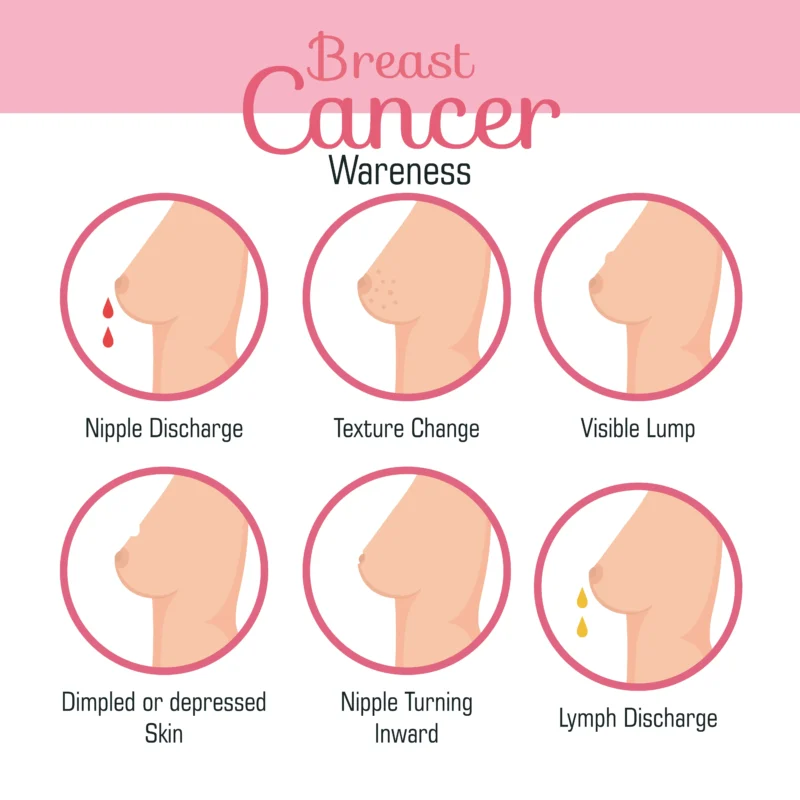
- Discharge from the nipple or inversion in some circumstances
Choices for Treatment for Stage II:
- Surgery: either a lumpectomy or a mastectomy, depending on the size and location of the tumor.
- Chemotherapy, which is often indicated before surgery (neoadjuvant), to make the tumor smaller.
- Radiation therapy after surgery
- Hormone therapy for tumors that are ER/PR-positive
- Targeted therapy for tumors that are HER2-positive
Survival Rate for Stage II:
The relative survival rate for Stage II breast cancer over five years is between 86% and 90%. In recent years, chemotherapy and targeted medicines have made a big difference in outcomes.
Stage III Breast Cancer: Regionally Advanced Breast Cancer
STAGE III: Advanced in the region
Cancer has expanded a lot to adjacent lymph nodes or tissues, but it hasn’t spread to organs that are far away yet.
There are three stages: IIIA, IIIB, and IIIC. These are dependent on how many lymph nodes are involved and how far the disease has spread to the chest and skin.
What is breast cancer stage III?
Stage III breast cancer is a big step up in how far the illness has spread. At this point, cancer may have spread to 4–9 axillary lymph nodes, the surface of the breast, the chest wall, or the internal mammary lymph nodes that are close to the sternum. Even so, Stage III is still thought to be “regionally advanced,” which means it hasn’t spread to other organs yet.
Inflammatory breast cancer (IBC) is an uncommon but aggressive kind of breast cancer that is usually classed as at least Stage IIIB because it affects the skin.
Symptoms of Stage III:
- A big lump in the breast that is expanding quickly.
- Swelling, redness, or warmth that can be seen over the breast (may mean IBC).
- Skin that looks like an orange peel (peau d’orange) – a sign of inflammatory breast cancer.
- Several lymph nodes are enlarged under the arm or close to the collarbone.
- Nipple discharge or retraction.
Choices for Stage III Treatment:
- Neoadjuvant chemotherapy (given before surgery) is often the initial step in making tumors smaller.
- At this point, mastectomy is usually better than lumpectomy.
- Axillary lymph node dissection to take out nodes that are involved.
- Radiation therapy to the chest wall and nearby lymph nodes
- Hormone treatment, targeted therapy, and immunotherapy, based on the type of cancer
Stage III Survival Rate:
Depending on the specific subtype (IIIA, IIIB, or IIIC) and patient characteristics, the 5-year relative survival rate for Stage III breast cancer ranges from 57% to 86%. Treatment for Stage III patients has evolved over the last 20 years because of multimodal therapy, which includes radiation, chemotherapy, surgery, and targeted therapy.
— American Cancer Society, Guidelines for Treating Breast Cancer (2023)
Stage IV Breast Cancer: Metastatic Breast Cancer
FOURTH STAGE: Metastatic:
Cancer has spread (metastasized) to other parts of the body, like the bones, lungs, liver, or brain. This is the most advanced level.
Also known as secondary or metastatic breast cancer. It is not usually thought to be curable, but it can be treated.
What Is Stage IV Breast Cancer?
Stage IV, or metastatic breast cancer (MBC), is identified when breast cancer cells have spread to other parts of the body through the blood or lymphatic system and formed tumors there. The bones, lungs, liver, and brain are the most typical places for metastasis to happen. Because the disease is now so common, the goals of treatment change from curing it to controlling the cancer, easing symptoms, and keeping the quality of life as high as possible for as long as feasible.
It’s important to remember that some people with Stage IV breast cancer live for many years with treatment. This is especially true now that targeted treatments, immunotherapy, and PARP inhibitors are available for BRCA-mutated malignancies.
Symptoms of Stage IV:
- Constant discomfort in the bones, especially in the back, hips, or ribs (bone metastases)
- Trouble breathing or a cough that won’t go away (lung metastases)
- Jaundice, enlargement of the abdomen, or loss of appetite (liver metastases)
- Brain metastases can cause severe headaches, abnormalities in eyesight, or seizures.
- Very tired, losing weight for no reason
Treatment Options for Stage IV:
- Hormone therapy (for ER/PR-positive MBC): Tamoxifen, aromatase inhibitors, and CDK4/6 inhibitors
- For HER2-positive MBC, the treatments include T-DM1, pertuzumab, and trastuzumab (Herceptin).
- Immunotherapy: Pembrolizumab (Keytruda) for triple-negative MBC that shows PD-L1
- Olaparib and talazoparib are PARP inhibitors for MBC with BRCA mutations.
- Bone-targeted therapy for bone metastases, such as denosumab or bisphosphonates
- Along the journey, palliative care and supportive treatment
Survival Rate for Stage IV:
The five-year relative survival rate for Stage IV breast cancer is about 29%. However, this number is becoming better every year because of new treatments. A lot of people with MBC live for three to five years or longer, and some people who respond really well live for ten years or more.
Key Factors That Influence Prognosis Across All 5 Stages of Breast Cancer
In addition to stage, other biological and personal factors influence the behavior of breast cancer and its response to treatment:
- Hormone Receptor Status (ER/PR): Cancers that are hormone receptor-positive frequently respond well to hormone therapy, which leads to better outcomes.
- HER2 Status: Cancers that are HER2-positive are more aggressive, although targeted medicines like trastuzumab work quite well on them.
- Triple-Negative Breast Cancer (TNBC): Doesn’t have ER, PR, or HER2 receptors; tougher to treat but might respond to immunotherapy.
- BRCA1/BRCA2 Gene Mutations: Mutations in these genes that are passed down through families impact both the chance of getting cancer and the treatment options.
- Tumor Grade: Low-grade tumors grow slowly, while high-grade tumors are more aggressive.
- Age and Overall Health of the Patient: Younger individuals and those in good general health can generally handle more intensive treatment.
- Genomic testing, like Oncotype DX and MammaPrint, looks at how a tumor’s genes are expressed to help doctors figure out how likely it is to come back and how well chemotherapy will work.
The Power of Early Detection: How Screening Impacts the 5 Stages of Breast Cancer
The best way to fight breast cancer is to find it early. If caught at Stage 0 or Stage I, more than 99% of people will live for five years. The best health organizations say this about screening:
- Mammograms: The American Cancer Society says that women between the ages of 40 and 74 should get mammograms every year. Women who are at high risk may start earlier.
- Clinical Breast Exams: Women in their 20s and 30s should see a doctor for an exam every 1 to 3 years.
- Breast Self-Exams: Check your breasts every month for lumps, skin changes, or nipple problems that aren’t normal.
- Genetic Testing: People with a strong family history of breast or ovarian cancer should get BRCA1/BRCA2 testing.
- MRI screening is a good idea for women who are at high risk (those with BRCA mutations, a history of chest radiation, or thick breast tissue).
Frequently Asked Questions: The 5 Stages of Breast Cancer
Q1: What stage of breast cancer is the easiest to treat?
A: The most curable stages of breast cancer are Stage 0 and Stage I, with 5-year survival rates of over 100% and almost 99%, respectively. Most patients respond well to surgery and other treatments when they are found early, and they can go into complete remission.
Q2: Can Stage IV breast cancer go away?
A: Stage IV (metastatic) breast cancer is usually thought to be incurable, but some patients do get better with treatment. Immunotherapy, targeted therapy, and PARP inhibitors have all made great strides in extending survival times. Some patients live for 5 to 10 years or longer.
Q3: How can doctors figure out what stage of breast cancer a person has?
A: To get a diagnosis, doctors use a mix of tests, including a sample (to confirm cancer), imaging tests (such as mammography, ultrasound, MRI, or PET-CT scan), and pathology reports that look at the size of the tumor, the state of the lymph nodes, the status of the hormone receptors, and the expression of HER2. The TNM system is then employed to give a final stage.
Q4: Can Stage III breast cancer be cured?
A: Stage III breast cancer isn’t usually called “curable” like Stages 0–II; many people go into long-term remission with vigorous multimodal treatment. Survival rates vary from 57% to 86% after five years, and it is very important to keep an eye on things.
Q5: What sets Stage II breast cancer apart from Stage III breast cancer?
A: The main distinction is how far the cancer has progressed to the lymph nodes and other nearby structures. Stage II means that the cancer has progressed to a small number of lymph nodes or that the tumors are larger but don’t involve any lymph nodes. Stage III means that the cancer has spread to more areas, such as four or more lymph nodes, the skin, the chest wall, or a combination of these, but not to distant parts of the body.
Q: Does the stage of breast cancer alter over time?
A: The first stage given upon diagnosis doesn’t change after the fact. Oncologists use the original staging for retaining records and for clinical studies. But if breast cancer isn’t adequately treated or if additional metastases form later, it can get worse or come back at a higher level.
What You Need to Remember About the 5 Stages of Breast Cancer
- The five stages of breast cancer go from Stage 0 (non-invasive, pre-cancerous) to Stage IV (metastatic).
- The TNM system is used to stage tumors depending on their size, whether they have spread to lymph nodes, and whether they have spread to other parts of the body.
- Regular mammograms and self-exams can help find breast cancer early, which greatly improves the chances of survival.
- Treatment is very personalized, not simply based on the stage of the disease, but also on molecular indicators like ER, PR, HER2, and genetic alterations.
- Breast cancers in stages I and II have a very good chance of survival, with more than 86% of people living for five years.
- Most of the time, stage IV can’t be cured, but new treatments are helping many patients live longer and better lives.
- A diagnosis at any point in time is not a final decision; individual circumstances, treatment advancements, and availability of specialized care are all very important.
Conclusion:
Knowing the five stages of breast cancer gives patients, families, and caregivers the knowledge they need to make smart choices, ask the appropriate questions, and fight for the best care possible. If you have just been diagnosed, are helping a loved one, or just want to learn more, knowing the differences between Stage 0 and Stage IV can change how you treat and recover from your illness.
If you or someone you know has been told they have breast cancer, don’t go through it alone. Talk to a board-certified oncologist who specializes in breast cancer. If you think you need a second opinion, do so. Look into all of your treatment choices, including clinical trials for advanced-stage disease.
Finding things early saves lives. Make an appointment for your mammogram today. Give this guide to someone who needs it. Knowledge and action are our most powerful weapons against breast cancer.
Sources and Further Reading
The following authoritative sources were used in the preparation of this article and are recommended for further reading:
1. American Cancer Society (ACS)
Breast Cancer Facts & Figures 2023–2024 | Breast Cancer Stages Guide
www.cancer.org/cancer/types/breast-cancer
2. National Cancer Institute (NCI) — SEER Database
SEER Cancer Statistics Review (CSR) 1975–2021 — Breast Cancer Survival Rates by Stage
seer.cancer.gov
3. American Joint Committee on Cancer (AJCC)
AJCC Cancer Staging Manual, 8th Edition — Breast Cancer Chapter (2017, Updated 2018)
cancerstaging.org
4. World Health Organization (WHO)
Breast Cancer Fact Sheet (Updated 2023)
www.who.int/news-room/fact-sheets/detail/breast-cancer
5. National Comprehensive Cancer Network (NCCN)
NCCN Clinical Practice Guidelines in Oncology: Breast Cancer (Version 4.2023)
nccn.org/guidelines/category_1
6. Breastcancer.org
Understanding Your Pathology Report | Metastatic Breast Cancer Overview (2023)
www.breastcancer.org/symptoms/diagnosis/staging
8. Mayo Clinic
Breast Cancer — Diagnosis and Treatment Overview
www.mayoclinic.org/diseases-conditions/breast-cancer

Nicola Donelan, PhD, brings more than 20 years of deep scientific expertise and over a decade of dedicated medical writing to every project she touches. Her work sits at the intersection of rigorous research and clear, purposeful communication — turning complex bioscience, pharmaceutical, and healthcare knowledge into content that informs, persuades, and performs.
From peer-reviewed journal articles and regulatory submissions to white papers, investor presentations, and healthcare communications, Nicola delivers writing that meets the highest standards of accuracy without sacrificing readability. She works with independent physicians, biotech innovators, pharmaceutical firms, and academic institutions — adapting her voice and approach to suit each client’s unique needs and audience.