

Find the best tea to help with a sore throat, like honey, lemon, ginger or licorice root: science-based choices, recipes, and advice from experts to help you feel better today.
At a Glance:
- 3B+: Cups of tea consumed daily worldwide
- 2-7 days: Length of most sore throats left untreated 70%: Of adults first use home remedies
- 10+: Teas proven to reduce throat inflammation
Introduction:
That rough, scratchy feeling gets you, and all of a sudden, you’re in the tea aisle trying to figure out which package will really help.
A sore throat can ruin your day right away, making it hard to communicate, swallow, and even breathe. Many people are going back to tea, one of nature’s oldest medicines, even when over-the-counter lozenges and pain pills work quickly. The finest tea for a sore throat does more than just make you feel better. Some herbal blends have actual anti-inflammatory, antibacterial, and pain-relieving chemicals that go right to the source of the problem.
This guide presents 10 effective teas for sore throat treatment, details how to prepare them properly, provides expert-backed recommendations and addresses any queries or doubts you might have about any aspect. So you can make an informed choice and begin feeling better immediately!
Why Tea Works for Sore Throats:
It’s helpful to know why drinking tea for a sore throat is more than simply an old wives’ tale before we get into the specifics. Warm liquids calm irritated mucous membranes, make the throat less dry, and help get rid of germs. In addition to being warm, many herbal teas have bioactive ingredients, including polyphenols, flavonoids, and essential oils, that lower inflammation and stop bacteria and viruses from working.
A 2019 analysis in the Journal of Ethnopharmacology showed that several herbal teas had strong anti-inflammatory and antibacterial effects in clinical settings.
Combining the best tea for a sore throat with honey enhances these advantages, as honey possesses recognized wound-healing and antibacterial qualities. Warm herbal teas make a calm environment for throat tissues that are inflamed. Some plants, including licorice root and slippery elm, coat the mucosa directly, giving both mechanical and chemical relief.
— Dr. Tieraona Low Dog, a herbalist and integrative medicine doctor
The 10 Best Teas for Sore Throat Relief
When it comes to throat pain, not all teas are the same. Here are the best options, each with its own way of working and proven benefits.
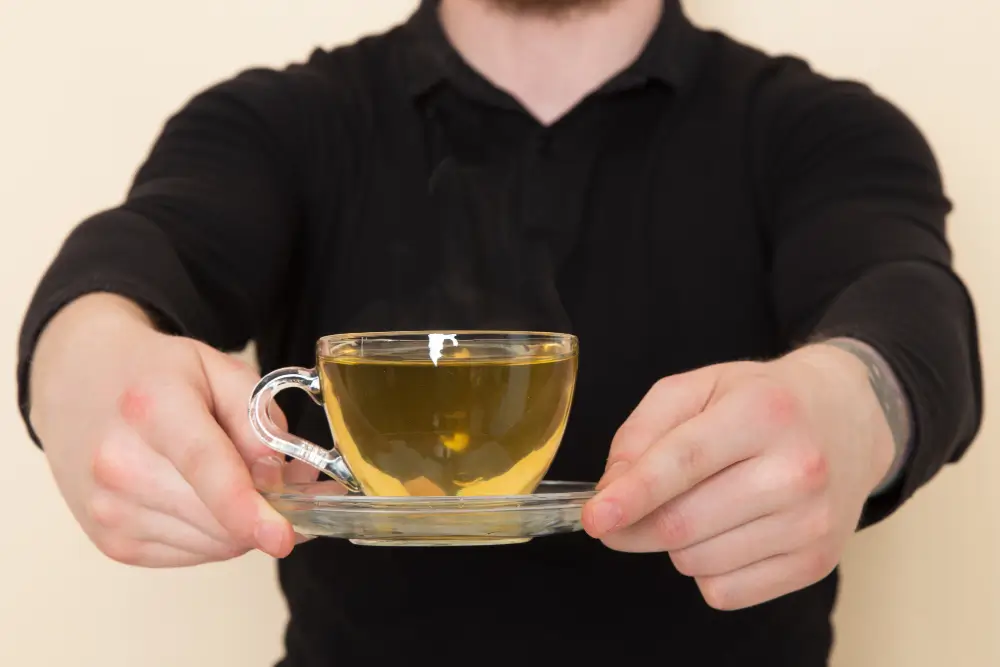
1. Ginger Tea — Anti-inflammatory & Antiviral
Ginger has gingerols and shogaols, which are strong anti-inflammatory chemicals that stop the production of prostaglandins. This is the same mechanism that ibuprofen targets. Researchers have found that fresh ginger extract can stop the human respiratory syncytial virus (HRSV), which makes it one of the finest teas for a sore throat caused by a virus.
How to make: Slice one inch piece of fresh ginger and combine with 2 cups of boiling water in an infuser for 10 minutes before stirring in raw honey and lemon juice before sipping from your cup!
Benefits: Benefits include decreasing inflammation, combatting HRSV infections, alleviating nausea and warming the body.
2. Honey Lemon Tea — Antibacterial & Soothing
Honey lemon tea is a traditional mix and is probably the most famous and best tea for a sore throat in the world. Hydrogen peroxide and defensin-1 protein are found in raw honey. These substances break down bacterial membranes. Lemon has vitamin C and citric acid in it that help thin mucus and clear up stuffy noses.
How to make: Put hot water (not boiling, to keep the honey’s active enzymes) and 1 spoonful of raw honey and the juice of half a lemon together. Three to four times a day, drink.
Benefits: It kills bacteria, calms down raw tissue, gives you more vitamin C, thins mucus, and makes it easier to breathe.
3. Licorice Root Tea — Demulcent & Anti-inflammatory
Licorice root (Glycyrrhiza glabra) has been studied extensively by laboratories as an aid for throat health. Glycyrrhizin, the active ingredient, stops the inflammatory cytokine cascade and covers the throat mucosa with a protective coating. A 2013 study in Anesthesia & Analgesia found licorice root gargle significantly reduced post-operative sore throat.
How to make: Put 1–2 teaspoons of dried licorice root in boiling water and let it sit for 10–15 minutes. Strain and drink slowly. Only drink 1 to 2 cups a day; don’t drink a lot for a long time.
Benefits: coats and protects the lining of the throat, stops coughing that won’t go away, and has antiviral glycyrrhizin activity.
4. Slippery Elm Tea — Demulcent & Mucoprotective
Mucilage, a gel-like material that covers and lubricates the throat when it comes into contact with it, is found in slippery elm bark. This gives instant mechanical comfort. The FDA has said that slippery elm is a safe demulcent that you can buy without a prescription. It works best for pain that is dry and scratchy, not pain that is caused by an infection.
How to make: Put a cup of boiling water and 1 tablespoon of powdered slippery elm bark together. For the best coating effect, stir thoroughly and consume right away while it’s still warm.
Benefits: immediate relief from coating, less dryness and irritation, FDA-approved demulcent, mild, and well-tolerated.
5. Chamomile Tea — Anti-inflammatory & Antispasmodic
Chamomile has a lot of apigenin, an antioxidant flavonoid that has been shown to reduce inflammation and pain. It also possesses antispasmodic effects that help relax the muscles in the throat and stop uncomfortable coughing spells. Taking in chamomile steam while drinking it also helps clear your nasal passages.
How to make: Add one chamomile tea bag or 2 tablespoons of dried chamomile flower petals into hot water, let sit for five to seven minutes, add honey and drink two to three glasses daily, especially before bed.
Benefits: Analgesic flavonoids ease pain, while the soothing sedative action helps you sleep and stops throat muscle spasms and cough.
6. Peppermint Tea — Cooling & Analgesic
Menthol, the major element in peppermint, activates cold-sensitive receptors (TRPM8), which makes the throat feel cool and numb without affecting the temperature. It works like a natural decongestant and has been shown to kill microorganisms. This is why peppermint is one of the greatest teas for a sore throat when you have both discomfort and congestion.
To make tea: put 1 peppermint tea bag or 1 tablespoon of fresh peppermint leaves in hot water for 5 minutes. For extra decongestant effects, breathe in the steam while you drink.
Benefits: Menthol chemicals that kill microorganisms numb throat discomfort quickly and clean up stuffy noses.
7. Green Tea — Antioxidant-Rich & Antiviral
EGCG (epigallocatechin gallate) is a catechin that stops the growth of Streptococcus bacteria and the spread of the flu virus. Green tea has a lot of it. Several Japanese epidemiological studies have identified a correlation between regular green tea consumption and reduced incidence of throat infections. Japanese school research showed that gargling with green tea could lower the rate of viral pharyngitis by as much as 36%.
How to brew: To keep the EGCG content, brew at 70–80°C (never boil). Only steep for 2 to 3 minutes. For more direct contact benefits, drink or gargle for 30 seconds before ingesting.
Benefits: High levels of EGCG antioxidants, stops the flu virus from spreading, fights Streptococcus bacteria, and is proven to work.
8. Turmeric Tea (Golden Milk) — Potent Anti-inflammatory
Curcumin, the main ingredient in turmeric, is one of the most researched natural anti-inflammatories in the world. It stops NF-kB, which is an important transcription factor in the inflammatory response. Adding black pepper (piperine) to turmeric tea makes curcumin more available in the body by up to 2,000%. This makes it one of the best teas for a sore throat.
How to make tea: Reheat one cup of milk (dairy or plant-based), mixing in 1 teaspoon of turmeric, one pinch each of black pepper and cinnamon, as well as one tablespoon of honey. Mix and drink it warm.
Benefits: It is a potent antioxidant, a strong NF-kB inhibitor, and it changes the immune system. Black pepper piperine makes curcumin even better.
9. Marshmallow Root Tea — Demulcent & Rapid Relief
Marshmallow root (Althaea officinalis) is high in mucilage polysaccharides, which protect irritated throat tissues in the same way that slippery elm does. A clinical pilot research published in Complementary Medicine Research indicated that marshmallow root syrup quickly and significantly eased throat irritation in 92% of subjects within 10–15 minutes of taking it.
How to make: Cold infusions contain more mucilage. To preserve this ingredient, soak one tablespoon of dried marshmallow root in 4 to 8 hours of cold water before draining and drinking at either room temperature or slightly warmed temperatures.
Benefits: Clinically evaluated with 92% participant relief, fast coating of throat mucosa, mild and suited for long-term usage.
10. Echinacea Tea — Immune-Boosting & Antiviral
Echinacea is most famous for boosting the immune system. Its alkylamides turn on the cannabinoid receptor CB2, which changes the generation of cytokines and boosts the activity of macrophages. A Cochrane analysis from 2015 indicated that echinacea treatments cut the length of cold symptoms, like sore throat, by about 1.4 days compared to a placebo.
How to make: Put 1–2 teaspoons of dried echinacea herb in boiling water and let it sit for 10–15 minutes. Drink it as soon as you feel sick. Echinacea works best when taken early. Not a good idea to use every day to prevent.
Benefits: boosts the immune system, shortens the length of a cold by around 1.4 days, and has antiviral and anti-inflammatory alkylamides.
Comparison Table: Best Tea for Sore Throat by Symptom
Use this quick-reference table to choose the correct tea for your needs and symptoms.
How to Brew the Perfect Sore Throat Tea: Step-by-Step
| Tea | Best For | Key Compound | Onset | Evidence |
| Ginger | Viral sore throat + nausea | Gingerols | 20–30 min | Strong |
| Honey Lemon | General soreness + dry cough | Defensin-1, Vitamin C | 15–20 min | Strong |
| Licorice Root | Persistent throat pain | Glycyrrhizin | 10–15 min | Moderate–Strong |
| Slippery Elm | Dry, scratchy throat | Mucilage polysaccharides | Immediate | Moderate |
| Chamomile | Sore throat + anxiety/insomnia | Apigenin | 20–40 min | Moderate |
| Peppermint | Pain + congestion | Menthol | 5–10 min | Moderate |
| Green Tea | Prevention + mild irritation | EGCG | 30–60 min | Strong |
| Turmeric | Severe inflammation | Curcumin | 30–60 min | Moderate |
| Marshmallow Root | Immediate coating relief | Mucilage | 10–15 min | Moderate |
| Echinacea | Immune support | Alkylamides | Hours–Days | Moderate |
The way you make your tea is just as important as the type of tea you choose. If the temperature is wrong, heat-sensitive compounds can break down. If the steeping time is too short, good phytochemicals may not be produced.
- Use filtered water because chlorine in tap water can change the taste and structure of compounds.
- For herbal teas, heat the water to 85–95°C (185–200°F); for green tea, heat it to 70–80°C to keep EGCG.
- For every 240 ml (8 oz) of water, use 1–2 teaspoons of loose herb or 1 tea bag.
- While the tea is steeping, cover your cup to keep the volatile therapeutic oils within.
- For delicate herbs, steep for 5 to 10 minutes; for roots and bark, steep for 10 to 15 minutes.
- After steeping, add 1 tablespoon of raw honey. Never add it while steeping, because heat kills active enzymes.
- Take little sips. Don’t gulp; let each drink coat your throat for as long as possible.
- For best results during your illness, drink 3–4 cups a day.
The Power of Honey: The Best Sore Throat Tea Amplifier
When talking about the greatest tea for a sore throat, you have to talk about honey. The World Health Organization says that raw honey, especially manuka honey (UMF 10+ or MGO 263+), is a good way to soothe sore throats because it has such strong antibacterial qualities.
A systematic review posted in BMJ Evidence-Based Medicine in 2021 indicated that honey worked much better than standard therapy (antihistamines, cough suppressants) for upper respiratory tract symptoms, such as a sore throat. Adding 1–2 teaspoons to any of the teas listed above can make them work much better. Always add honey after steeping to keep its enzymes that fight germs.
Teas and Habits to Avoid When You Have a Sore Throat
Most herbal teas are good for you, but some can make sore throat symptoms worse. When choosing the best tea for a sore throat, stay away from the following:
- Black tea with milk—milk can make mucus thicker and make congestion worse.
- Teas with a lot of caffeine—caffeine is a moderate diuretic and might dry out inflamed throat cells.
- International Agency for Research on Cancer (IARC) reveals that very hot teas (over 65°C or 149°F) are “probably carcinogenic” and can make an inflamed throat even more irritated.
- Citrus beverages without honey that aren’t diluted—citric acid alone might irritate delicate throat tissue.
- Licorice root in large amounts—long-term high dosages can elevate blood pressure; restrict to 1–2 cups per day.
When to See a Doctor: Red Flag Symptoms
The finest tea for a sore throat might help a lot, but some symptoms imply you need to see a doctor right away. If you have any of the following, get medical help:
- White spots or pus on the tonsils could mean you have strep throat or tonsillitis.
- A sore throat that doesn’t get better after 7 to 10 days.
- A fever that lasts for longer than 2–3 days and is higher than 38.5°C (101.3°F).
- Having trouble breathing or swallowing, or drooling.
- Signs of mononucleosis could include fatigue and swollen lymph nodes on the neck.
- A rash on your skin that goes along with your sore throat.
Antibiotics are needed to treat bacterial throat infections like Group A Streptococcus. Herbal tea alone will not help. If your symptoms are severe, becoming worse, or come with any of the warning flags above, you should always see a doctor.

Key Takeaways
- Ginger, honey, lemon, and licorice root are the greatest teas for a sore throat that have been shown to work.
- Marshmallow root and slippery elm provide instant mechanical coating alleviation within minutes.
- To keep its antibacterial enzymes, always add raw honey after steeping, not during.
- Drink 3 to 4 cups of the best tea for a sore throat every day, and take your time drinking it to make sure it touches your throat.
- Stay away from teas that are too hot (over 65°C) to protect the tissue in your throat that is already irritated.
- EGCG in green tea works to prevent and treat minor sore throat symptoms.
- If your symptoms are bad, include white patches, or continue longer than 10 days, see a doctor.
Frequently Asked Questions
Q1: What is the best tea for a sore throat and cough?
A: When you have a sore throat and a cough, ginger honey lemon tea is often said to be the best beverage. Ginger stops the cough reflex in the brain, honey calms the tissue in the throat, and lemon makes mucus thinner. Because it contains menthol, peppermint tea is a strong second choice. Menthol activates the TRPM8 receptor, which makes the cough response less sensitive.
Q2: How fast does tea help with a sore throat?
A: Demulcent teas, such as slippery elm and marshmallow root, offer rapid mechanical coating alleviation within minutes. Ginger and turmeric teas that fight inflammation usually start to work within 20 to 45 minutes. After using it throughout the day for 24 to 48 hours, you may have full relief from all of your symptoms.
Q3: Is it safe to consume sore throat tea when you’re pregnant?
A: During pregnancy, you should be careful about drinking most herbal teas. Most people think that drinking ginger tea in little amounts (1–2 cups a day) is safe. Pregnant women should not eat a lot of licorice root, echinacea, or peppermint. Before utilizing herbal teas for medicine while pregnant, always talk to your OB-GYN or midwife.
Q4: Is sore throat tea safe for kids to drink?
A: Most people think that ginger and chamomile teas are safe for kids over the age of one. Never give honey to a child under 12 months old since it could cause infant botulism. Without a doctor’s supervision, echinacea is not safe for young children. Before giving herbal remedies to kids, always talk to a pediatrician.
Q5: Does green tea assist with strep throat in particular?
A: In lab tests, EGCG from green tea has been shown to kill the Streptococcus mutans bacterium. Green tea can help with comfort and immunological function when taken with prescribed antibiotics, but it should not be used instead of medical treatment for proven strep cases.
Q6: What kind of tea is best to drink at night if you have a sore throat?
A: Chamomile tea is the ideal pick for bedtime, thanks to apigenin’s inflammation-fighting capabilities and mildly relaxing properties that promote better restful sleep – two essential aspects for healing. For extra antibacterial benefits, add raw honey or, for added potency, dilute apple cider vinegar as desired; drink one warm cup 30 to 45 minutes prior to sleeping!
Q7: How many cups of sore throat tea should I have each day?
A: Most herbal health practitioners suggest drinking 3 to 4 cups of the best tea for a sore throat every day while you are sick. Putting cups at different times of the day helps keep the levels of compounds in the throat environment stable. Don’t drink tea that is too hot, and drink more water to help remove mucus and speed up your recovery.
Conclusion:
As with anything, finding the optimal tea for sore throat symptoms requires finding one tailored specifically to them. Ginger and green tea contain antiviral compounds, which may aid in fighting viral infections in various ways; slippery elm and marshmallow root work quickly to relieve pain, while honey, lemon and ginger remain popular choices as overall comfort measures with immunological benefits as a bonus.
The most important thing is to be consistent. Drink several cups of the best tea for a sore throat throughout the day, add raw honey after steeping, and always keep an eye on your symptoms. These teas function best when used with other forms of care, such as getting enough sleep, drinking enough water, and seeing a doctor when you need to. You may convert a bad sore throat day into a crucial step toward getting better faster if you have the correct cup in your hand.
Choose the finest tea for a sore throat that matches your main symptom, use the comparison table above to narrow down your options, and save this advice for when you become sick again. Your throat will be grateful.
Sources and Further Reading
1. Chang, J. S., et al. (2013). Fresh ginger (Zingiber officinale) has anti-viral activity against human respiratory syncytial virus. Journal of Ethnopharmacology.
2. Nouri, A., et al. (2013). Licorice gargle reduces postoperative sore throat. Anesthesia & Analgesia.
3. Abuelgasim, H., et al. (2021). Effectiveness of honey for symptomatic relief in upper respiratory tract infections: a systematic review and meta-analysis. BMJ Evidence-Based Medicine.
4. Rauber, C. S., et al. (2019). Marshmallow root (Althaea officinalis) for throat symptoms: a pilot study. Complementary Medicine Research.
5. Schapowal, A., et al. (2015). Echinacea/sage or chlorhexidine/lidocaine for treating acute sore throats. European Journal of Medical Research.
6. Chatterjee, P., et al. (2012). Evaluation of anti-inflammatory effects of green tea and black tea: a comparative in vitro study. Journal of Advanced Pharmaceutical Technology & Research.

Riley Maloney is a Registered Dietitian Nutritionist (RDN) and Licensed Dietitian Nutritionist (LDN) with over 6 years of clinical experience helping individuals heal their relationship with food, recover from eating disorders, and improve their health without restrictive dieting. Practicing virtually from Chicago and contributing nutrition expertise to Erothots, Riley has supported over 800 clients on their journeys toward food freedom and body acceptance.