

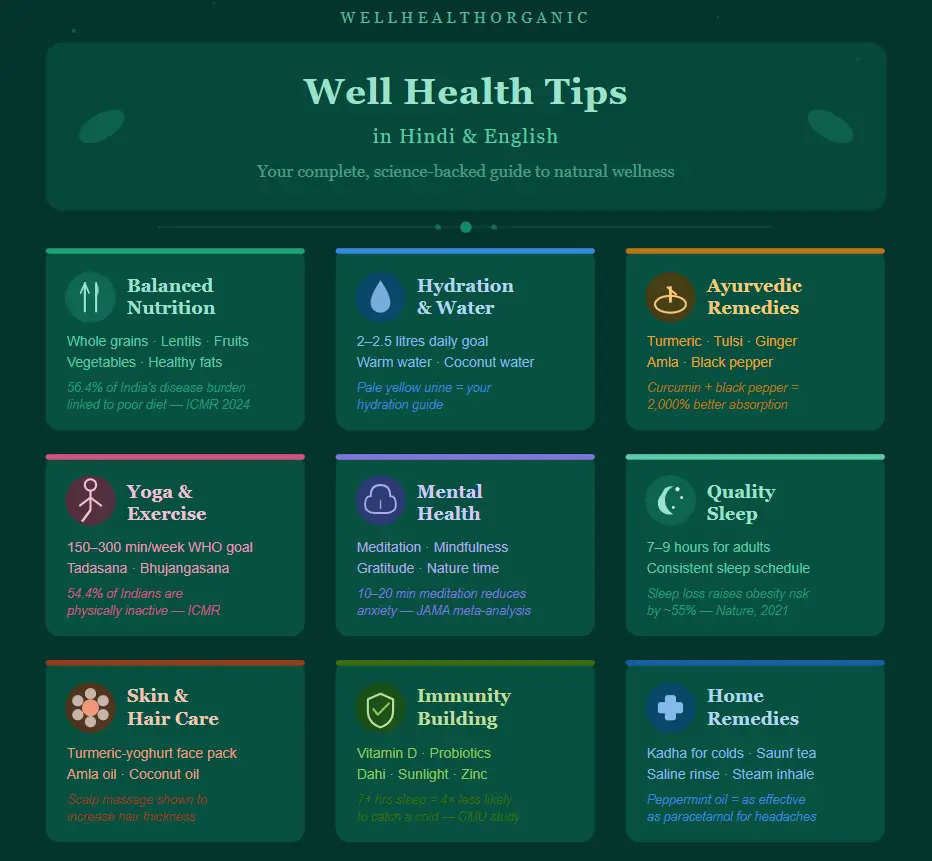
Why Most Health Advice Fails You — And What Actually Works
Every day, millions of people search the internet for health tips, only to find vague, recycled advice that sounds good but does nothing. You deserve better than that.
Well Health Tips in Hindi WellHealthOrganic was built on a different premise: that real, lasting health comes from understanding why something works — not just what to do. In this guide, every recommendation is rooted in published research, clinical evidence, and centuries of validated Ayurvedic practice. Whether you are dealing with low energy, stress, poor digestion, or simply want to build a stronger foundation for long-term health, this is your starting point.
“The greatest medicine of all is to teach people how not to need it.” — Hippocrates
What Is Well Health Tips in Hindi WellHealthOrganic?
Well Health Tips in Hindi WellHealthOrganic is a digital wellness platform that bridges the gap between India’s deep Ayurvedic heritage and modern biomedical science. It makes credible, actionable health knowledge accessible to everyday readers — in their own language and cultural context.
The platform focuses on natural, low-cost, and sustainable health practices rather than expensive supplements or quick-fix solutions. Here is what sets it apart:
- Evidence-informed content — recommendations backed by peer-reviewed research
- Culturally grounded — advice that fits the Indian kitchen, lifestyle, and family structure
- Holistic in scope — physical health, mental wellness, sleep, nutrition, and preventive care
- Practical and accessible — no expensive equipment, no specialist access required
- Honest about limits — clear about when to see a doctor, not a substitute for one
The State of Health in India: Why This Matters Right Now
Before diving into tips, it helps to understand the landscape.
According to the Indian Council of Medical Research (ICMR) and the National Institute of Nutrition (NIN), unhealthy diet contributes to 56.4% of the total disease burden in India (2024 guidelines). Non-communicable diseases (NCDs) — including heart disease, diabetes, and hypertension — now account for 61% of all deaths in the country, up from 40% in 1990.
A landmark ICMR-INDIAB study examining over 14,000 Indians found that 54.4% of adults were physically inactive, with urban residents faring worse (65%) than rural populations (50%). Meanwhile, over 88% of individuals across surveyed states reported zero recreational physical activity.
These are not statistics about other people. They are a mirror. And they make the case, urgently and clearly, for practical, evidence-based health education.
Nutrition: What the Science Actually Says About Eating Well

The Most Important Nutrition Principle You Will Ever Learn
No single food is a superfood, and no single food is poison. What matters overwhelmingly is your overall dietary pattern over months and years — not what you ate for breakfast today.
A consistent body of research shows that diets rich in whole foods (vegetables, legumes, whole grains, nuts, fruit) and low in ultra-processed products reduce risk of heart disease, type 2 diabetes, and certain cancers. The traditional Indian diet, when followed in its original form, is remarkably aligned with this evidence.
What to Eat and What to Limit — An Evidence-Based Comparison
| Food Category | Prioritise | Limit or Avoid |
| Grains | Whole wheat, brown rice, millet (bajra), jowar, oats | Refined flour (maida), white bread, instant noodles |
| Protein | Lentils (dal), legumes, eggs, fish, low-fat dairy | Processed meats, fried snacks, packaged meat products |
| Fats | Mustard oil, cold-pressed groundnut oil, ghee (moderate), walnuts, flaxseed | Vanaspati, margarine, reused frying oil, hydrogenated fats |
| Vegetables | Leafy greens (palak, methi), cruciferous (broccoli, cauliflower), seasonal produce | Vegetables deep-fried or cooked in excess oil |
| Sweeteners | Jaggery, dates, fruit | Refined white sugar, corn syrup, artificial sweeteners in excess |
| Beverages | Water, buttermilk (chaas), herbal infusions, coconut water | Packaged juices (high sugar), soda, excessive chai with sugar |
A Realistic Daily Eating Structure
This is not a rigid diet plan — it is a framework. Adapt it to your food culture, budget, and preferences.
Morning (within 30–60 minutes of waking): Start with 1–2 glasses of plain water, then eat within an hour. A breakfast that combines complex carbohydrates + protein stabilises blood sugar and prevents mid-morning energy crashes. Options: poha with groundnuts, dal chilla, besan cheela, eggs, or thick dahi with fruit.
Lunch (your largest meal of the day): Include a grain + legume + vegetable + curd combination — this is the traditional thali structure, and it is nutritionally sound. The combination of rice or chapati with dal provides a complete amino acid profile, meaning together they deliver all essential proteins your body cannot make on its own.
Dinner (light and early): Research consistently shows that eating late in the evening is associated with worse metabolic outcomes. Aim to finish dinner at least 2–3 hours before bed. Opt for easily digestible options: khichdi, a light sabzi with 1–2 rotis, vegetable soup, or idli-sambar.
Snacks: Between meals, choose whole foods: a handful of mixed nuts, a seasonal fruit, sprouts, roasted chana, or a small bowl of dahi. These provide sustained energy without the blood sugar spike of biscuits or packaged snacks.
Expert Insight — Dr. Rupali Datta, Clinical Nutritionist: “The Indian thali, in its traditional form, is one of the most nutritionally complete meals in the world. The problem is not our food culture — it is the modern drift toward refined, packaged, and ultra-processed substitutes.”
Hydration: The Free, Underrated Health Intervention
Water is involved in virtually every metabolic process in your body — nutrient transport, temperature regulation, joint lubrication, waste elimination, and cognitive function. Yet most people are chronically mildly dehydrated without knowing it.
How much water do you actually need? The commonly cited “8 glasses a day” is a rough guide, not a universal prescription. Your real requirement depends on body size, activity level, climate, and diet. A practical indicator: your urine should be pale yellow, not dark amber. Dark urine is an early warning sign of dehydration.
For most adults in India’s climate, 2–2.5 litres per day is a reasonable baseline — more if you are physically active, in summer heat, or have been unwell.
Hydration Habits That Actually Make a Difference:
- Drink water before meals, not during. Drinking large amounts during a meal dilutes digestive enzymes. A small glass before eating is fine and can modestly reduce appetite.
- Start your morning with water, not tea. Your body loses water overnight through respiration. Rehydrating first thing — before caffeine — is one of the simplest health improvements you can make.
- Room temperature or warm water is easier on digestion than cold water, particularly in winter or if you have digestive sensitivity.
- Caffeinated drinks (tea, coffee) are mildly diuretic — they do not hydrate you to the same degree as water. Account for this if tea is your primary fluid.
- Coconut water is an excellent natural electrolyte drink — particularly useful after exercise or during illness.
Ayurvedic Remedies: Separating Evidence from Exaggeration
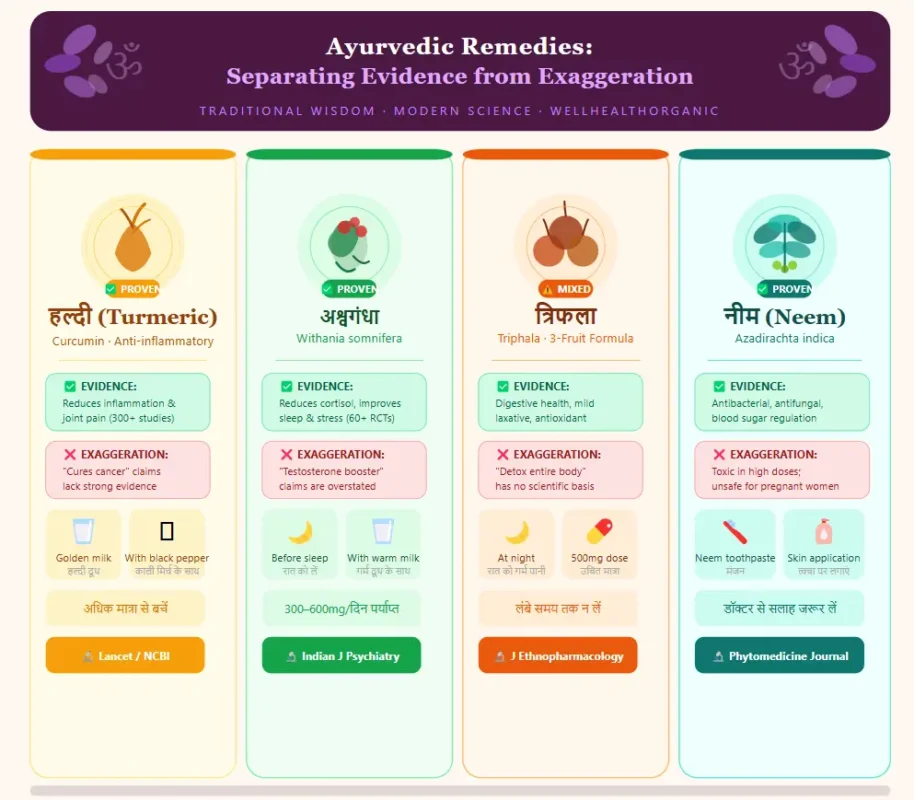
Ayurveda is one of the world’s oldest healthcare systems, with a sophisticated understanding of diet, lifestyle, and plant medicine. However, not every traditional claim has been verified by modern science — and it is important to be honest about that. Below, we cover the herbs and practices where the evidence is genuinely strong.
Turmeric (Haldi) — Extensively Studied, Genuinely Useful
Turmeric’s active compound, curcumin, has been the subject of more than 12,000 published studies. A 2025 umbrella review in Frontiers in Pharmacology, covering 25 meta-analyses, found that curcumin demonstrates anti-inflammatory, antioxidant, and immune-modulating effects across multiple clinical outcomes, including improvements in lipid profiles, blood pressure, joint pain, and liver function.
Importantly: curcumin has very poor bioavailability on its own. Research published in PMC (NIH) shows that consuming turmeric with black pepper increases curcumin absorption by up to 2,000% — because piperine (a compound in black pepper) inhibits curcumin’s rapid metabolism. This is why traditional Indian cooking pairs these two spices together, often intuitively.
A 2024 randomised controlled trial found that curcumin supplementation at 1,000 mg/day for 8–12 weeks significantly reduced arthritis pain and inflammation — with outcomes comparable to ibuprofen.
Practical uses:
- Add turmeric to cooking with a pinch of black pepper and a fat source (oil or ghee) to maximise absorption
- Turmeric milk (haldi doodh / golden milk): warm milk, ½ tsp turmeric, pinch of black pepper, a small piece of ginger — effective for reducing mild inflammation and aiding sleep
- Do not exceed therapeutic doses without medical guidance; high-dose supplements are not equivalent to culinary use
Honest caveat: Claims that turmeric “cures cancer” or “reverses Alzheimer’s” are not supported by current human clinical evidence. The laboratory results are promising, but they have not translated to proven human therapies. Turmeric is a valuable dietary ingredient and anti-inflammatory aid — not a replacement for prescribed treatment.
Tulsi (Holy Basil) — Adaptogenic and Antimicrobial
Tulsi (Ocimum sanctum) contains compounds including eugenol, ursolic acid, and rosmarinic acid. Research supports its classification as an adaptogen — a plant that helps the body resist physical and psychological stress. Studies show it can modestly reduce cortisol levels, support immune function, and exhibit antibacterial and antiviral activity in laboratory settings.
Practical uses:
- Brew 4–6 fresh tulsi leaves in hot water with ginger and a small amount of honey as an immune-supportive tea, particularly during cold seasons
- For nasal congestion: inhale steam from tulsi-infused hot water
- Consume fresh leaves on an empty stomach (start with 2–3 leaves; tulsi is a blood thinner at high quantities, so those on anticoagulant medications should consult a doctor)
Ginger (Adrak) — Clinically Validated for Nausea and Digestion
Ginger contains gingerols and shogaols, bioactive compounds with anti-nausea, anti-inflammatory, and pro-digestive properties. Its effectiveness against nausea — including morning sickness, chemotherapy-induced nausea, and motion sickness — is one of the better-supported claims in herbal medicine, confirmed by multiple randomised trials.
Practical uses:
- Fresh ginger tea (slice of ginger simmered in water for 5–7 minutes) reliably reduces nausea
- Chewing a small piece of raw ginger with a pinch of rock salt before meals stimulates digestive enzymes
- A combination of ginger, tulsi, black pepper, and honey in warm water (the Ayurvedic kadha) is effective for early cold and flu symptoms — not a cure, but genuinely supportive
Amla (Indian Gooseberry) — A Verified Vitamin C Source
Amla contains a remarkable concentration of Vitamin C — approximately 600–700 mg per 100g, significantly higher than most citrus fruits. Unlike synthetic Vitamin C, the Vitamin C in amla is bound with tannins and polyphenols that appear to protect it from heat degradation. Research also shows amla has antioxidant, hepatoprotective (liver-protecting), and lipid-lowering properties.
Practical uses:
- Fresh amla: eat 1 whole fruit daily if available, or blend into a chutney with mint and ginger
- Amla powder (1 tsp) in water or mixed into yoghurt
- Amla juice: 20–30 ml diluted in water (avoid commercial variants with added sugar)
- Note: amla is a natural blood thinner. Those on anticoagulant medications should seek medical advice before consuming therapeutically.
Exercise: The Single Most Powerful Preventive Medicine Available
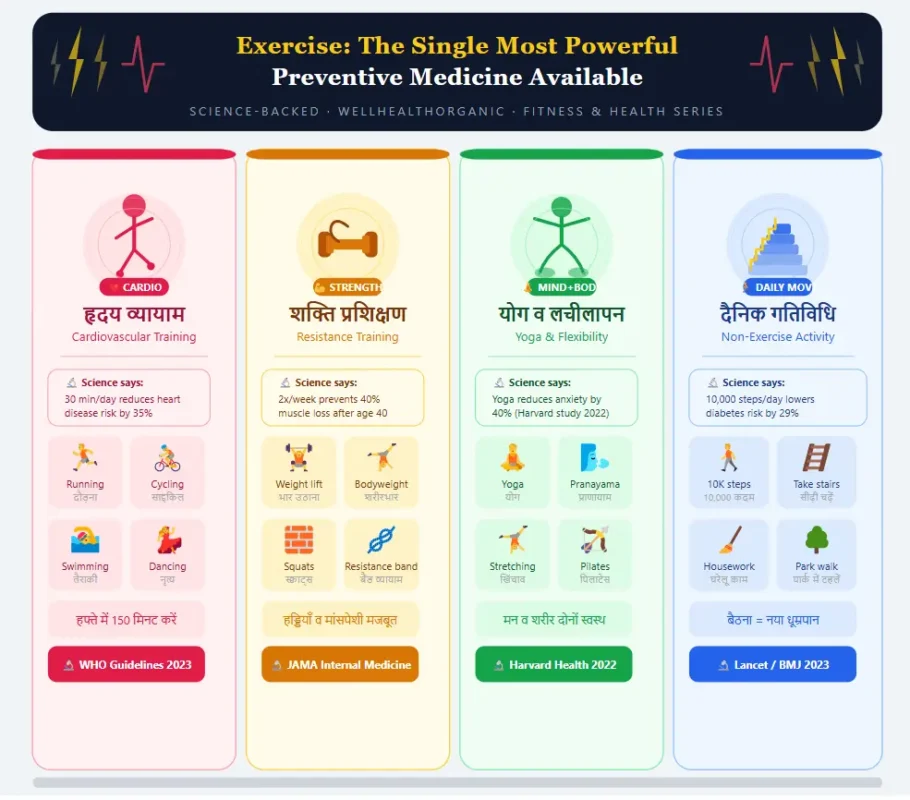
There is no drug, supplement, or diet that matches the breadth of benefit delivered by regular physical activity. The evidence is overwhelming and consistent across decades of research.
The WHO‘s 2020 Global Guidelines on Physical Activity — based on an exhaustive review of evidence — recommend the following for adults:
- 150–300 minutes per week of moderate-intensity activity (brisk walking, cycling, swimming), or
- 75–150 minutes per week of vigorous-intensity activity (running, competitive sport, aerobics), and
- Muscle-strengthening activities on at least 2 days per week
Despite these well-established guidelines, a 2024 analysis published in The Lancet Global Health tracking over 5.7 million participants found that physical inactivity remains a global crisis — and India is particularly affected.
Why Exercise Is Non-Negotiable: The Real Numbers
Research published in PMC (NIH) found that physical inactivity accounts for 7.2% of all-cause deaths globally. In urban India, the ICMR-INDIAB study found that physically inactive individuals had a 54% higher odds of having a non-communicable disease compared to active individuals.
Regular exercise is proven to:
- Reduce the risk of heart disease, stroke, and type 2 diabetes
- Improve mental health — equivalent to antidepressants for mild-to-moderate depression in some studies
- Strengthen bones and muscles, reducing fall risk as you age
- Improve sleep quality significantly
- Enhance cognitive function and reduce dementia risk
5: Foundational Yoga Poses — With Purpose, Not Just Description
1. Tadasana (Mountain Pose) — The Master Posture Most people stand with collapsed arches, forward head posture, and rounded shoulders without realising it. Tadasana resets your postural baseline. Stand with feet hip-width apart, activate the thighs, draw the tailbone gently down, lengthen the spine, and relax the shoulders. Hold for 60 seconds. Practice this against a wall for feedback.
2. Marjaryasana-Bitilasana (Cat-Cow) — For Spinal Mobility Research shows that spinal mobility declines rapidly with sedentary living. On hands and knees, alternate between arching (cow) and rounding (cat) the spine with each breath. This lubricates the intervertebral discs and activates the erector spinae — muscles that most desk workers have effectively “forgotten.” 10–15 slow cycles daily.
3. Viparita Karani (Legs Up the Wall) — For Circulation and Recovery Lie on your back and extend both legs up a wall at approximately 90 degrees. Hold for 5–15 minutes. This simple inversion reverses the venous pooling that occurs from prolonged sitting, reduces lower limb swelling, and activates the parasympathetic nervous system — your body’s “rest and digest” mode. Excellent before sleep.
4. Bhujangasana (Cobra Pose) — For Back Health Lie face down, place palms under shoulders, and gently press the chest upward without locking the elbows. This counteracts thoracic kyphosis (the hunched posture driven by screen use) and strengthens the erector muscles. Hold 20–30 seconds, 3 repetitions.
5. Anulom-Vilom (Alternate Nostril Breathing) — The Nervous System Regulator Close the right nostril with the right thumb, inhale slowly through the left for 4 counts. Close both nostrils for 2 counts. Release the right nostril, exhale for 4 counts. Reverse. This pranayama technique has been shown in small studies to reduce heart rate, lower blood pressure, and activate the parasympathetic nervous system. 5–10 minutes daily is sufficient.
Realistic Weekly Movement Plan
| Day | Activity | Duration | Intensity |
| Monday | Yoga + Pranayama | 40 min | Low–Moderate |
| Tuesday | Brisk Walk (outdoors) | 35 min | Moderate |
| Wednesday | Strength Training (bodyweight or gym) | 40 min | Moderate–High |
| Thursday | Yoga + Meditation | 40 min | Low |
| Friday | Cycling, Swimming, or Dance | 35 min | Moderate–High |
| Saturday | Outdoor activity (hiking, sport, gardening) | 60 min | Variable |
| Sunday | Light stretching or full rest | 20 min | Very Low |
The most important rule: Consistency over intensity. A 25-minute walk every day beats an exhausting 90-minute gym session twice a week.
Mental Health: The Component Most Health Guides Ignore
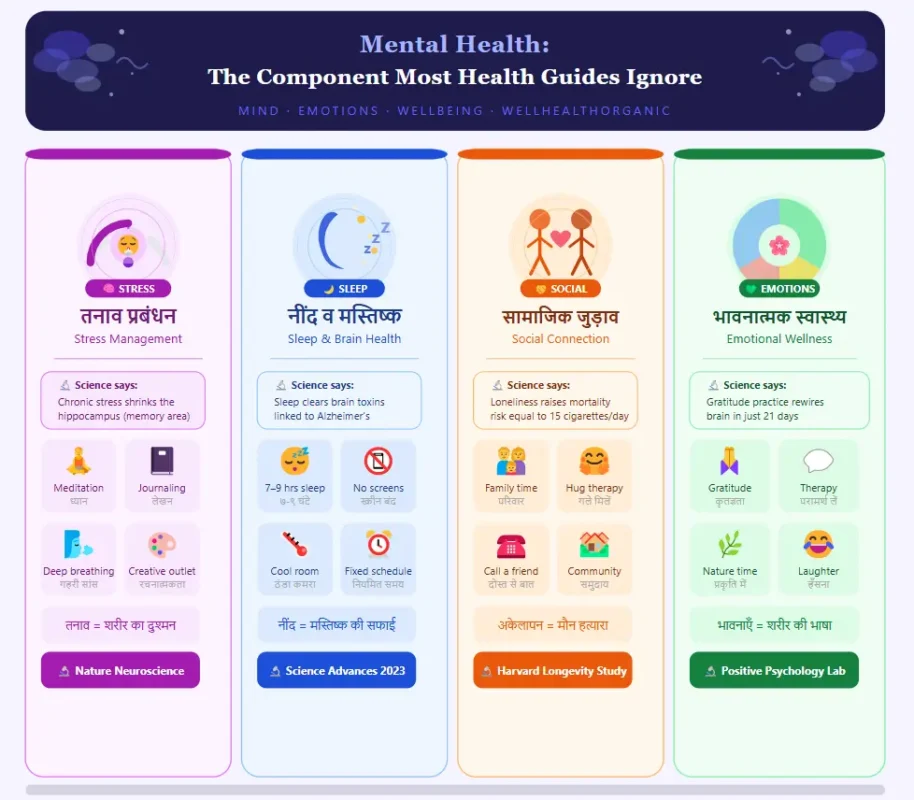
India is facing a quiet mental health crisis. A 2023 Lancet study estimated that nearly 200 million Indians live with a mental health condition, yet treatment rates remain below 20% due to stigma, cost, and limited access.
Mental health is not a character flaw, a weakness, or a luxury concern. It is a biological state — as real and as measurable as blood pressure or blood glucose.
What the Research Shows About Meditation
A systematic review and meta-analysis of 47 randomised trials (3,320 participants), published in JAMA Internal Medicine, found that mindfulness meditation programs produced moderate reductions in anxiety and depression — with effects lasting up to 6 months after the intervention. A 2025 meta-analysis of 25 RCTs found that meditation significantly improved global cognitive performance, sleep quality, and overall health status in older adults.
A 2023 review in Cureus found that meditation produces measurable changes in brain structure (confirmed via MRI), reduces inflammatory cytokines, and improves both systolic and diastolic blood pressure.
How to actually meditate — a practical, no-mysticism approach:
- Choose a consistent time (morning is often easiest) and a quiet spot
- Sit comfortably — on a chair with feet flat on the floor is perfectly fine; the lotus position is not required
- Set a timer for 5 minutes to start — do not aim for 30 minutes on your first attempt
- Close your eyes, breathe naturally, and rest your attention on the physical sensation of breathing — the rise of the chest, air at the nostrils
- When your mind wanders (it will — this is not failure; it is the exercise), gently return attention to the breath without judgment
- Extend the duration by 1–2 minutes each week as it becomes easier
The minimum effective “dose” in most studies is 10–20 minutes daily. You will likely notice changes in reactivity and stress tolerance within 4–8 weeks.
Other Evidence-Supported Mental Health Practices:
- Regular aerobic exercise is one of the most effective antidepressant interventions available — particularly for mild to moderate depression
- Social connection is a genuine biological need; loneliness is associated with increased cortisol, inflammation, and mortality risk comparable to smoking 15 cigarettes a day (Holt-Lunstad, 2015)
- Limiting social media to under 1 hour per day has been shown in randomised studies to reduce loneliness, depression, and anxiety — particularly in young adults
- Spending time in nature reduces cortisol, lowers heart rate, and improves mood — even 20 minutes in a park produces measurable effects
- A gratitude practice (writing down 3 specific things you are genuinely grateful for each day) has been shown in multiple RCTs to increase positive affect and reduce symptoms of depression within 4 weeks
Sleep: The Pillar That Makes Everything Else Work
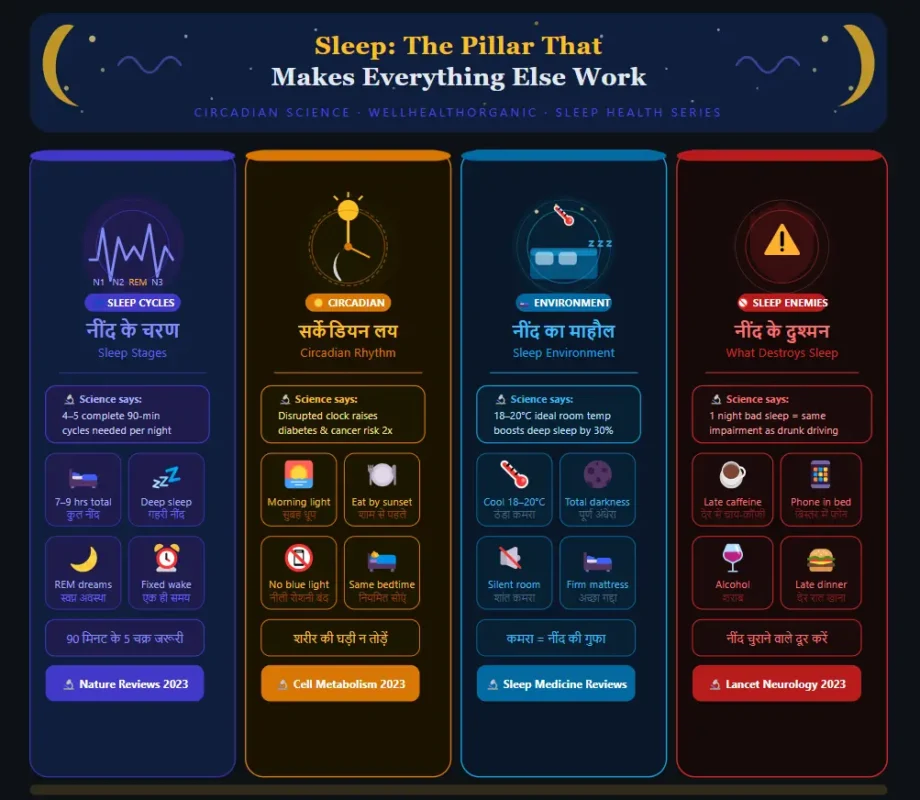
Sleep is not passive downtime. During sleep, your brain consolidates memories, clears metabolic waste (including amyloid beta, linked to Alzheimer’s), and your body repairs tissue, regulates hormones, and strengthens immune function.
The consequences of shortchanging sleep are serious and well-documented. Research published in Communications Biology (2021) found:
- Sleep deprivation increases risk of obesity by approximately 55%
- Increases risk of type 2 diabetes by 28%
- Increases risk of hypertension by 21%
- Is associated with elevated inflammatory markers (IL-6 and CRP) linked to cardiovascular disease
A 2025 study published in The Journal of Immunology found that even a single night of 24-hour sleep deprivation altered the immune cell profile of young, healthy individuals to resemble that of people with obesity.
Recommended Sleep Duration by Age (CDC/WHO Consensus):
| Age Group | Recommended Duration |
| Newborns (0–3 months) | 14–17 hours |
| Infants (4–12 months) | 12–16 hours |
| Toddlers (1–2 years) | 11–14 hours |
| Pre-schoolers (3–5 years) | 10–13 hours |
| School-age (6–12 years) | 9–12 hours |
| Teenagers (13–18 years) | 8–10 hours |
| Adults (18–64 years) | 7–9 hours |
| Older Adults (65+) | 7–8 hours |
What Actually Improves Sleep Quality (Evidence-Based):
Circadian consistency matters more than total hours. Going to bed and waking at the same time every day — including weekends — anchors your circadian rhythm. Irregular sleep timing (social jet lag) is independently associated with metabolic dysfunction, even when total sleep duration is adequate.
Light exposure is a powerful circadian signal:
- Get bright natural light in the morning — ideally within 30–60 minutes of waking. This sets your biological clock and improves sleep the following night.
- Reduce bright, blue-spectrum light in the 1–2 hours before bed. LED and screen light suppresses melatonin production. Use warm-tone lighting in evenings.
Temperature: The body needs to cool down to initiate and maintain sleep. A bedroom temperature of 18–20°C is associated with optimal sleep quality. A warm shower before bed paradoxically helps — the subsequent drop in skin temperature signals sleepiness.
Caffeine has a half-life of 5–7 hours. A coffee at 3 PM still has half its caffeine in your system at 9 PM. If you struggle with sleep, cut caffeine after noon.
Alcohol disrupts sleep architecture. While alcohol may help you fall asleep, it significantly reduces REM sleep, causing lighter, more fragmented sleep in the second half of the night.
Natural Skin and Hair Care: What Works and Why
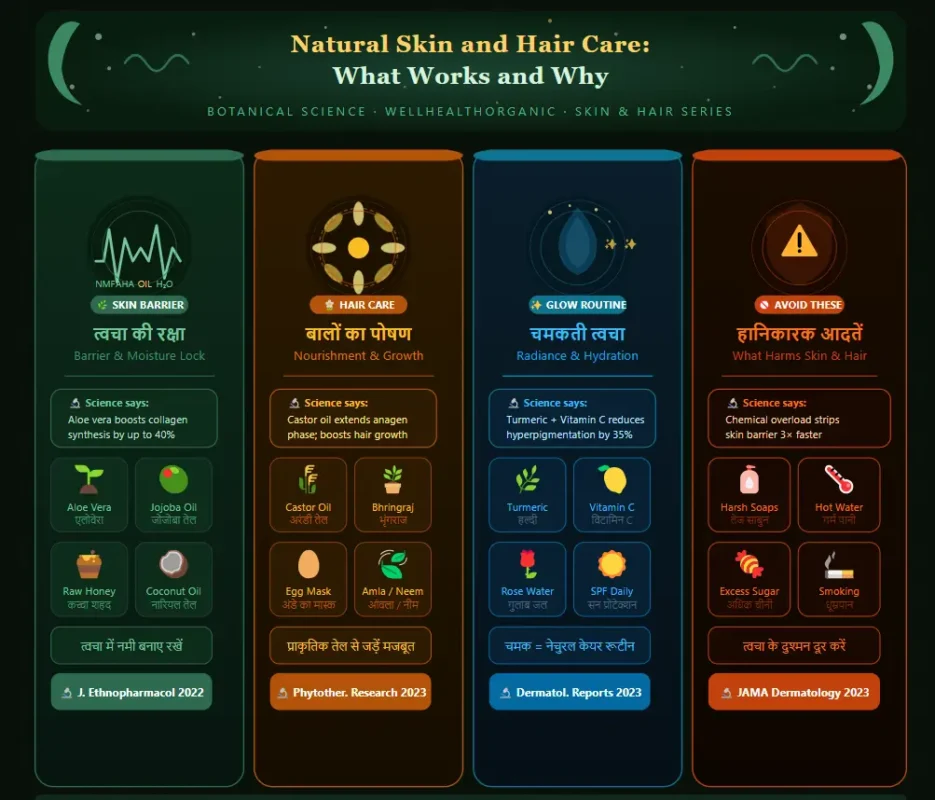
Your skin and hair reflect your internal health. Chronic nutritional deficiencies, poor sleep, and high stress all manifest externally — which is why sustained internal health is the most effective “beauty treatment.”
Skin Care — The Evidence-Based Basics:
Hydration (internal): Adequate water intake directly affects skin turgor and elasticity. Chronic mild dehydration visibly dulls and tightens skin.
Sun protection: UV radiation is the primary environmental cause of premature skin ageing and skin cancer. A broad-spectrum sunscreen (SPF 30+) applied to exposed skin daily is the most impactful external skin care step — more so than any cream or serum.
Turmeric + yoghurt face mask: Yoghurt contains lactic acid, a gentle alpha-hydroxy acid that exfoliates dead skin cells. Combined with turmeric’s anti-inflammatory and antimicrobial properties, this traditional mask has a credible mechanism of action. Use 1–2 times per week. Recipe: 1 tsp turmeric + 2 tsp plain yoghurt + a few drops of honey → apply for 10–15 minutes → rinse with cool water.
Fuller’s earth (Multani Mitti) for oily skin: Clay masks physically adsorb excess sebum and have a mild antibacterial effect. Genuinely useful for congested, oily skin. Use once weekly — overuse can strip the skin barrier.
Hair Care — Rooted in Evidence:
Scalp massage: A 2016 study in ePlasty found that standardised scalp massage (4 minutes daily for 24 weeks) increased hair thickness — likely by stimulating dermal papilla cells. Consistent, gentle massage with or without oil is beneficial.
Amla oil or coconut oil: Coconut oil is one of the few oils shown in research to penetrate the hair shaft (rather than just coating it), reducing protein loss in both undamaged and damaged hair (Rele & Mohile, 2003, Journal of Cosmetic Science). Apply as a pre-wash treatment for 30–60 minutes.
Fenugreek (Methi) seeds: Contain proteins and nicotinic acid shown to strengthen hair. Soak overnight, grind into a paste, apply to the scalp for 30 minutes before washing. A reasonable complementary intervention for hair fall — though not a substitute for addressing nutritional deficiencies (iron, Vitamin D, zinc) which are the most common underlying causes of hair loss in India.
Onion juice: Small RCTs have found that topically applied onion juice improves hair regrowth in people with alopecia areata (patchy hair loss) — attributed to its sulphur content supporting keratin synthesis. Results with non-scarring hair loss are more modest.
Building Immunity: What Strengthens Your Defence System

“Boosting immunity” is a phrase used loosely in wellness marketing — it is worth being precise. Your immune system requires balance, not maximum activation. An overactive immune system causes autoimmune disease; an underactive one leaves you susceptible to infection.
What you can genuinely do is support the conditions in which your immune system functions optimally:
1. Sleep adequately. This is the most undervalued immune intervention. Research shows that people who sleep fewer than 6 hours per night are 4 times more likely to develop a cold when exposed to the virus than those who sleep 7+ hours (Carnegie Mellon University, published in Sleep).
2. Manage chronic stress. Sustained high cortisol suppresses immune function. Chronic stress is immunosuppressive — this is one of the most replicated findings in psychoneuroimmunology.
3. Eat a diverse, plant-rich diet. Gut microbiome diversity — supported by eating a wide variety of fibre-rich foods — is strongly linked to immune regulation. Aim for 30+ different plant foods per week (vegetables, fruits, legumes, nuts, seeds, herbs, spices all count).
4. Exercise regularly — but not excessively. Moderate exercise enhances immune surveillance. However, very intense exercise without adequate recovery temporarily suppresses immune function — which is why elite athletes often get sick after major competitions.
5. Vitamin D. India has a paradoxically high prevalence of Vitamin D deficiency despite abundant sunlight — largely because most people spend little time outdoors during peak sun hours, and dark skin requires more sun exposure to produce the same Vitamin D as lighter skin. Vitamin D is critical for innate immunity. Get 15–30 minutes of midday sun exposure on arms and legs (without sunscreen) daily if possible; consider supplementation (after a blood test) if deficient.
6. Probiotics from food. Fermented foods — dahi, chaas (buttermilk), idli, dosa, kanji — support gut microbiome diversity and are associated with improved immune function. These are far preferable to probiotic supplements for most people.
Home Remedies for Common Ailments — Honest and Practical
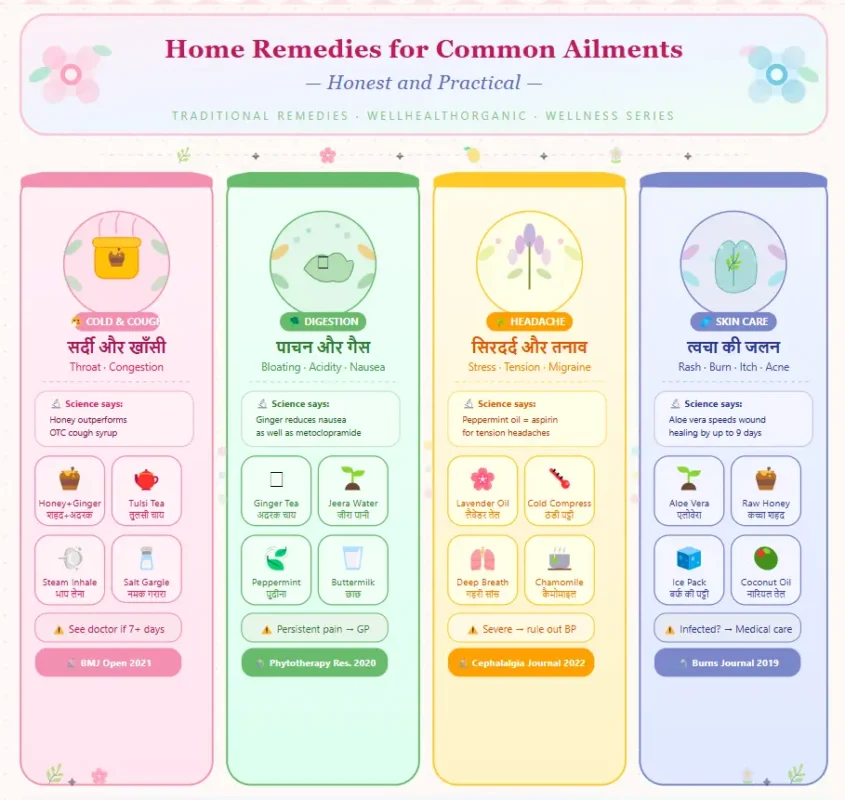
These remedies are evidence-informed adjuncts for mild, self-limiting conditions. For symptoms that are severe, worsening, or persistent — see a doctor.
Colds and Upper Respiratory Infections:
The common cold is caused by viruses; antibiotics are ineffective. The following provide genuine symptomatic relief:
- Ginger-tulsi-black pepper-honey decoction (kadha): Anti-inflammatory and mild antimicrobial effect; soothes the throat and reduces nasal congestion through steam
- Saline nasal rinse (neti pot or saline spray): Well-supported by evidence for reducing nasal congestion and shortening symptom duration
- Steam inhalation with eucalyptus oil: Relieves nasal congestion; the mechanism is physical (moisture) and mild bronchodilation from eucalyptus
- Warm salt water gargle: Temporarily reduces throat inflammation and has a mild antibacterial effect on the surface of the throat mucosa
Digestive Discomfort (Bloating, Indigestion):
- Ajwain (carom seeds) with warm water: Ajwain contains thymol, which stimulates gastric juices and reduces bloating — a traditional remedy with a plausible mechanism
- Fennel (saunf) tea: Relieves intestinal spasms and gas; backed by research in irritable bowel syndrome management
- 10-minute walk after meals: Accelerates gastric emptying and reduces post-meal blood glucose spike — one of the most evidence-supported simple interventions for metabolic health
- Probiotics (dahi/chaas): Support the gut microbiome and can reduce symptoms of irritable bowel syndrome and antibiotic-associated diarrhoea
Tension Headaches:
- Peppermint oil applied topically: A 2016 randomised trial found topically applied 10% peppermint oil solution was as effective as paracetamol 1,000 mg for tension-type headache
- Adequate hydration: Dehydration is a common trigger; drinking 1–2 glasses of water is a reasonable first response to a mild headache
- Screen break and neck stretching: Most tension headaches are driven by sustained muscle tension from screen use; addressing the source is more effective than masking the symptom
Joint Pain (Mild, Non-inflammatory):
- Turmeric (with black pepper): Supported by clinical evidence for osteoarthritis pain at 1,000 mg/day curcumin — results are gradual (8–12 weeks)
- Warm compress: Increases local blood flow and relaxes muscle tension around joints; effective for chronic stiffness
- Gentle movement: Counterintuitively, gentle range-of-motion exercise reduces joint pain better than rest for most types of osteoarthritis
Digital Wellness: A Modern Health Challenge With Real Consequences
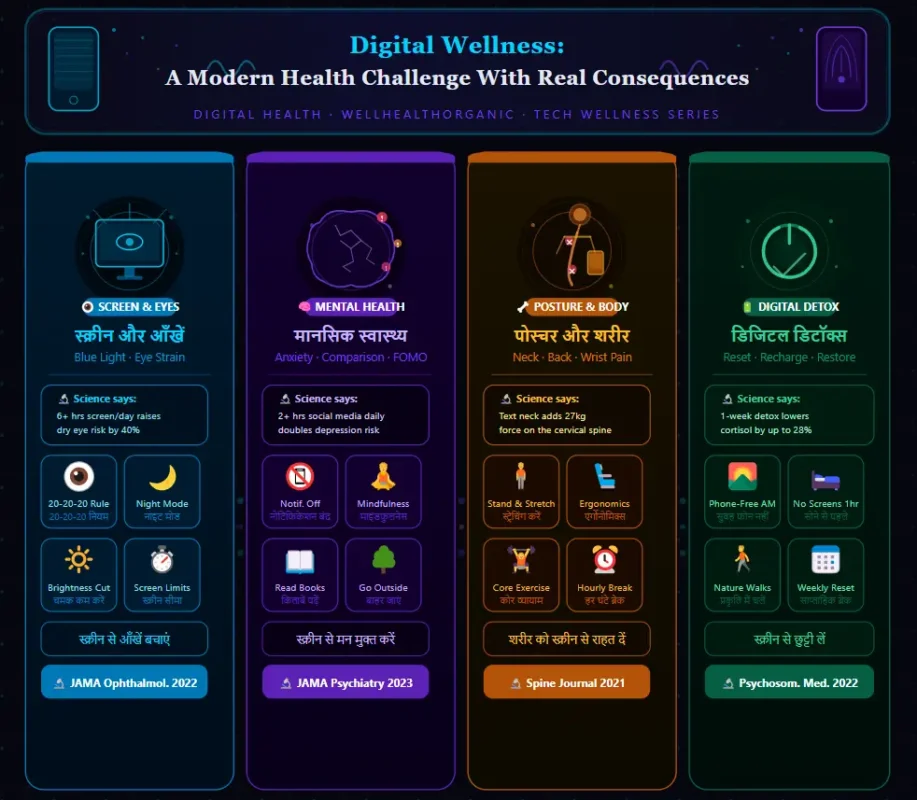
Excessive screen use is now a documented public health concern. Research links heavy social media use (4+ hours/day) with increased rates of depression, loneliness, anxiety, and disrupted sleep — particularly among adolescents and young adults.
A randomised controlled trial published in Journal of Social and Clinical Psychology (Hunt et al., 2018) found that limiting social media use to 30 minutes per day significantly reduced loneliness and depression after just three weeks.
Practical Digital Habits Worth Adopting:
- 20-20-20 eye rule: Every 20 minutes of screen use, look at something 20 feet (6 metres) away for 20 seconds — reduces digital eye strain significantly (American Academy of Ophthalmology)
- Phone-free meals: Eating while distracted reduces satiety signals, leading to overconsumption; keep phones off the table at mealtimes
- No phone within 1 hour of bedtime: Blue light from screens suppresses melatonin by up to 50%, delaying sleep onset. Use this time for reading, stretching, or conversation instead
- Turn off non-essential notifications: Every notification is a cortisol trigger. Batch-checking messages 2–3 times daily is healthier than constant availability
- Develop one screen-free hobby: Reading physical books, gardening, cooking from scratch, playing an instrument — anything that provides absorption and flow without a screen
What to Actually Do Starting Today?
If you take nothing else from this article, act on these:
- Eat more whole foods, fewer processed ones. This single change accounts for more disease prevention than any supplement.
- Move your body for at least 30 minutes daily. Brisk walking counts. Consistency matters more than intensity.
- Prioritise 7–9 hours of sleep. This is not laziness — it is maintenance.
- Manage stress actively. Chronic stress is physiologically damaging. Meditation, exercise, social connection, and nature exposure are your tools.
- Drink enough water. Pale yellow urine is your guide.
- Use Ayurvedic herbs intelligently. Turmeric with black pepper, tulsi, ginger, and amla are genuinely beneficial when used consistently and correctly. They are dietary aids — not magic.
- Limit screen time, especially before bed. Your brain needs downtime as much as your body does.
- See a doctor for anything persistent, severe, or worsening. Home remedies and lifestyle changes are preventive and supportive, not a replacement for professional care.
Common Questions People Actually Ask:
Q1: Is WellHealthOrganic’s advice safe to follow?
Answer: The advice on WellHealthOrganic is grounded in established nutritional science, peer-reviewed research, and validated Ayurvedic practice. However, every individual is different. People with diagnosed medical conditions, those taking prescription medications, pregnant or breastfeeding women, and elderly individuals should always check with a healthcare provider before making significant dietary changes or starting new herbal remedies. Some herbs (like amla and tulsi) can interact with blood-thinning medications.
Q2: Can Ayurvedic remedies replace modern medicine?
Answer: No — and no responsible Ayurvedic practitioner would claim otherwise. Ayurvedic practices are best understood as complementary — they can support overall health, reduce risk of chronic disease, and improve quality of life when used alongside, not instead of, modern medicine. For acute infections, serious chronic conditions, cancer, or emergencies, evidence-based biomedical treatment is essential.
Q3: How long does it take to see results from lifestyle changes?
Answer: This depends on the change and the person. Some effects are rapid — better energy from improved sleep within days, reduced bloating from dietary adjustment within a week. Others take longer — weight changes in weeks to months; measurable improvements in blood markers from exercise may take 8–12 weeks. The key is that the benefits compound over time; the earlier you begin, the greater the return.
Q4: I have very little time. What is the single most impactful change I can make?
Answer: If you are genuinely time-poor, prioritise sleep. Adequate sleep improves hormonal balance, reduces appetite dysregulation, lowers inflammatory markers, and enhances exercise performance and cognitive function simultaneously. It costs nothing and multiplies the benefit of everything else you do.
Q5: Are there specific health tips for Indians (vs general Western advice)?
Answer: Yes, and this matters. Indians on average have:
- Higher genetic susceptibility to type 2 diabetes and cardiovascular disease at lower BMI thresholds
- High rates of Vitamin D and B12 deficiency (particularly vegetarians)
- Dietary patterns high in refined carbohydrates (white rice, maida) in many regions
- High prevalence of physical inactivity in urban settings
Practically: prioritise protein at every meal (lentils, dahi, eggs if non-vegetarian), reduce refined carbohydrates, get regular sun exposure, consider B12 supplementation if vegetarian, and move your body daily.
Q6: Can children follow these health tips?
Answer: General principles — whole food diet, adequate sleep, regular physical activity, limited screen time — absolutely apply to children and are strongly supported by the WHO’s paediatric guidelines. However, herbal remedies should not be given to children without paediatric guidance, as dosing, safety, and interactions differ significantly from adults.
Q7: What is the best natural remedy for stress and anxiety?
Answer: The most evidence-supported natural interventions for stress and anxiety are:
- Regular aerobic exercise (30 min, most days)
- Mindfulness meditation (10–20 min daily, consistently)
- Adequate sleep (7–9 hours)
- Reducing caffeine — caffeine amplifies anxiety symptoms in many people
- Social connection — regular, meaningful interaction with others
For clinical anxiety or depression, please seek professional support. Lifestyle changes are powerful adjuncts but may not be sufficient on their own.
Conclusion: Health Is Built in the Margins of Ordinary Life
There is no secret to good health. No exclusive supplement, no biohacking protocol, no ancient formula that undiscovered wisdom has kept from you. The science is remarkably consistent and remarkably unglamorous: sleep enough, move regularly, eat mostly whole foods, manage stress, stay connected, and spend some time outdoors.
Well Health Tips in Hindi WellHealthOrganic exists to translate that evidence into practical, culturally relevant, accessible guidance — without exaggeration, without sales pressure, and without the noise that clutters so much of the wellness space online.
Start with one change. Make it small enough that you cannot fail. Then build from there,Your body is extraordinarily resilient. Give it what it needs, and it will respond.
Disclaimer: This article is for informational and educational purposes only. It does not constitute medical advice, diagnosis, or treatment. Always consult a qualified healthcare professional.
